
Advanced Search
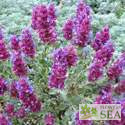
(Giant Purple Desert Sage) It’s best to plant this flamboyant native of the Southwest in spring or summer. However, once established, it tolerates winters from USDA Zones 5 to 9. Purple tubular flowers and burgundy bracts flare up its 10-inch flower spikes like flames on this softly rounded shrub.
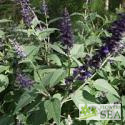
(Anthony Parker Bush Sage) Floriferous spikes of dark blue to purple flowers bloom midsummer to fall on this tidy, mid-height subshrub that grows as wide as it is tall.
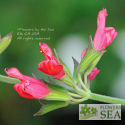
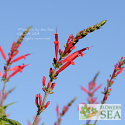
(Pineapple Sage) An indispensable fall-blooming addition to the garden, this tender perennial is, perhaps, the best of all hummingbird plants. When in bloom, it is covered in 3-inch-long red flowers.
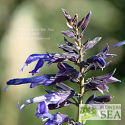
(Van Remsen's Anise-Scented Sage) Big and beautiful, this Anise-Scented Sage grows up to 7 feet tall in rich soil and has lavender-to-purple flowers. In our garden, it blossoms from late spring to fall, attracting both honeybees and hummingbirds.
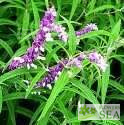
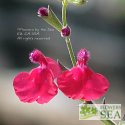
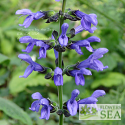
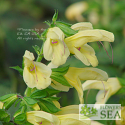
(Shinano-akigiri) Japan's largest island, Honshu, is home to Salvia koyamae, a shade- and moisture-loving herbaceous perennial that is perfect for woodland gardens or shady borders. It is notable for yellow flowers, which bloom from late summer into fall, as well as arrow-shaped foliage.
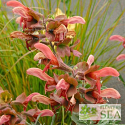
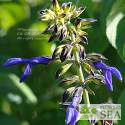
(La Placita Mexican Sage) Large and deep violet, the flowers of this tidy shrub bloom from late summer through fall. La Placita (the public square or small plaza) was collected in the mountains of Hidalgo, Mexico.
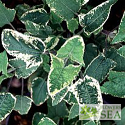
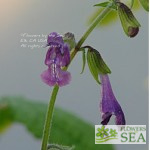
(Yunnan Sage or yun nan shu wei cao) Yunnan Sage's tall spikes of violet-to-purple flowers bloom from summer into fall. Native to Southwestern China's provinces of Yunnan, Guizhou and Sichuan, it grows on shady, grassy hillsides and along forest margins at elevations up to 9,500 feet.
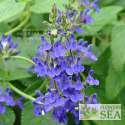
(Scordy Sage) Little is known about this shrubby Ecuadorian native. We're not even sure it is from Ecuador! However, this is another sage that sells itself instantly when seen in bloom. The large clusters of rich, deep violet flowers bloom summer to fall, attracting honeybees and hummingbirds.
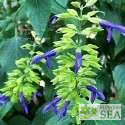
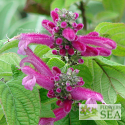
(Big Leaf Scandent Mexican Sage) Bigger leaves, larger, looser flowers and pink petioles -- the tiny stemlets connecting leaves to stems -- differentiate this this clone from its parent plant Salvia iodantha. A winter-blooming perennial, it's covered with velvety, 8-inch-long, magenta blossoms from fall into winter.
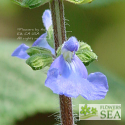
(Bitter Mexican Sage) Hummingbirds love this heat-tolerant Salvia, which is one of our best choices for shady, moist areas. The large-lipped, baby-blue flowers with white striations bloom from late summer through fall.
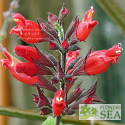
(Winter Mexican Sage) Call it the Snow Queen! From fall through spring, this graceful, colorful sage blooms through 20 degree F weather despite snow and ice. It has lovely, small, dark green leaves and profuse clusters of tubular, cinnabar-red flowers that puff out in the center.
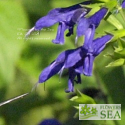
(Sapphire Blue Anise-Scented Sage) The large, sapphire blue flowers of this Anise-Scented Sage glow in the full-sun or partial-shade garden from summer into fall. Similar to Salvia guaranitica 'Blue Ensign', this is a somewhat taller variety of the water-loving species.
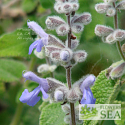
(Big Grape Sage) This lavender-flowered native of Northern Mexico resembles Salvia melissodora (Grape Scented Sage), but is bigger and also has larger leaves and flowers. It's a great companion plant for its little brother, which shares the same cultural needs and affinity for Zones 8 to 10. Both bloom from summer into fall.
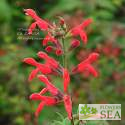
(Cardinal Sage) Aptly named for its cardinal red, 2-inch-long flowers that glisten in the autumn sun, this full-sun sage blooms from fall into winter. Hummingbirds love it, but deer resist its charms. Growing up to 5 feet tall, it makes a fine herbaceous border plant or shrubby screen.
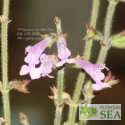
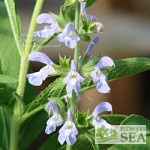
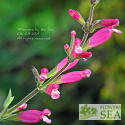
(Hadspen Roseleaf Sage) If you plant this sage in a mild-climate area where hummingbirds overwinter, you'll likely find hummers zinging back and forth among its magenta pink blossoms from fall through spring.
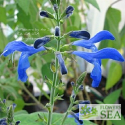
(Grape Leaf Sage) Tall spikes of intensely blue flowers bloom summer to fall and emerge in profusion from handsome, furry foliage. The leaves are grape green on top and purplish on the bottom. This water-loving sage grows rapidly into a spreading mound.
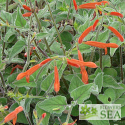
(Oaxaca Orange Wooly Sage) Tall, eye-catching spikes of dusky red-orange flowers that bloom from summer into fall make this one of our most impressive Salvias. Plus it's cold hardy into Zone 7.
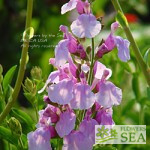
(Pink Beach Autumn Sage) When it blooms from spring into fall, this heat- and chill-tolerant sage is covered with large, two-tone pink flowers that attract butterflies, honeybees and hummingbirds. This compact, drought-tolerant beauty also features small, shiny, bright green leaves.
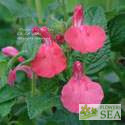
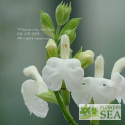
(Texas Wedding White Autumn Sage) This is our best white-flowered Autumn Sage. It is compact, hardy and blooms abundantly. We love it as a contrast to the generally bright colors of its group. Texas Wedding seems to always be blooming, with massive displays in spring and fall.
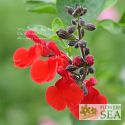
(Red Velvet Mountain Sage) This is one of the most intense red-flowering variety of Mountain Sage we grow. Medium-sized flowers are profuse on this large, vigorous plant -- particularly in spring and fall. Dark stems and calyxes intensify the plant's drama along with glossy green foliage.
Results for fall from the blog
| 1. Fall Planting: 8 Best-of-Class Sages that Are Easy to Grow |
| "Best of Class" is the title that Flowers by the Sea bestows on plants we honor for being winners in many ways. They are lovely, abundant bloomers and reliable repeat performers that are useful in many landscapes, including low-water gardens designed to have a cottage, woodland or desert look. In the case of the sages ( Salvia spp.) described here, all are easy to grow because they thrive with little fuss. Many are heat tolerant and drought resistant. |
| 2. Fall Planting: Tips for Salvia Success |
| For people and for plants, cool fall weather is comfortable for working in the garden. As gardeners dig, amend soil, weed and water, newly planted perennials focus their efforts on growing strong root systems before the chill of winter. Most perennial sages ( Salvia spp.) thrive if planted in fall. As temperatures decline, the soil remains warm. These conditions cause plants to decrease their growth above ground and focus on root expansion. Here are some tips about why and how you can succeed in the Salvia garden by planting during autumn. |
| Ask Mr. Sage |
| 3. Ask Mr. Sage: Why Didn't My Fall Blooming Salvia Flower? |
| When growing Salvias that begin blooming in fall, Mr. Sage says it's important to know when first frost likely will occur in your area. Ask Mr. Sage is a regular feature of the FBTS Everything Salvias Blog. |
| 4. Fall Planting is Superior for Salvias |
| Fall is the best time to plant many Salvias. Read on to find out why . . . This picture, "Autumn", was painted by Giuseppe Arcimboldo in 1573. |
| 5. Fall Planting: 8 Sages for Fragrance by Your Front Door |
| Colorful plantings make entryways attractive. Even better are pretty plantings that are fragrant and provide a sensory lift before you journey indoors. Scent wakes up memories and makes us see in a different way. Here are eight sensible suggestions for adding lovely scents to your landscape. |
| 6. Fall Cleanup: Plant Placement and Pesky Problems |
| You don’t usually have to fuss over Salvias to give them what they need. Yet the end of fall and other growing seasons are good times to seek solutions to problems that affect plant vigor. It is a time for a call to attention as well as a cleanup call to action. |
| 7. Fall Planting: Commemorating the HMS Salvia |
| Not long ago, we stumbled on an article about a World War II British naval warship named the HMS Salvia. The name made strange sense to us due to the toughness of the genus. Many Salvias survive, and even thrive, in heat, cold, drought and other difficult conditions. This article ponders how the ship got its name. It is also a commemorative of sorts to those who lose their lives serving their countries. |
| 8. Six Herbaceous Chinese Salvias for Shady Summer-to-Fall Bloom |
| Creating a flower garden in partial shade is not as challenging as planting in full shade, yet it requires selecting the right plants. Herbaceous Chinese Salvias can form a harmoniously composed partial-shade garden that soothe the eye with calming pastels. |
| 9. Texas and Southwestern Native Plants for Butterflies, Honeybees and Hummingbirds |
| Many gardeners and wildlife lovers in states with recurrent drought choose to increase the number of native plants in their yards. This is especially true of Texas, where statewide drought began in 2010 and hasn't yet abated. Native plants appeal to local wildlife, including pollinators. To help gardeners from Texas and the Southwest who want to create wildlife habitat, Flowers by the Sea (FBTS) suggests Salvias appropriate for Texas and Southwest gardens. |
| Sage Experts |
| 10. Sage Experts: Nancy Newfield, Hummingbird Gardener, Part III |
| It is ironic that one of the least social types of birds inspires so much sociability in human beings. We refer to hummingbirds, which are the object of festivals and the communal effort of bird banding research nationwide. This is the third and final article in a series about renowned hummingbird expert Nancy L. Newfield, who grows many Salvias in her hummingbird gardens. We recount a visit to Louisiana to observe Newfield and her team banding hummingbirds in winter. You'll also find a rainbow of top hummingbird Salvias listed here. (Photo credit: John Owens) |
| Sage Words About Wildlife |
| 11. Sage Words about Wildlife: 4 Seasons of Hummingbird Salvias |
| Regional differences in seasonal temperature and humidity affect the choice of Salvias to plant in hummingbird gardens. The varying seasons in which particular sages bloom and the part of the world where they originated also determine whether they attract hummingbirds. Flowers by the Sea Online Nursery offers suggestions based on regions and seasons. |
| 12. 15 Select Salvias for Dry, Partial-Shade Gardening |
| Learning how to garden in dry shade requires mediation of the needs of all the plants involved. Dry shade is particularly abundant under trees, because they consume lots of water. Fortunately, numerous drought-resistant Salvias can handle life in dry, partial shade. Flowers by the Sea details basic considerations of dry shade gardening and identifies 15 sages for it. |
Common terms in this search: giant purple desert sage it's best plant flamboyant native southwest spring summer however once established tolerates winters from usda zones tubular flowers burgundy bracts flare its -inch flower spikes like flames softly rounded shrub fragrant drought resistant heat tolerant isn't particular about soils long they drain well give lots sunshine little water performance have learned experience species grows where there