
Advanced Search
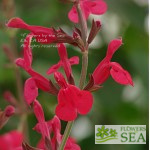
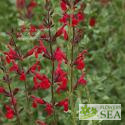
(Windwalker® Royal Red Salvia) Salvia darcyi x S. microphylla 'PWIN03S' is one of the top 2015 plants for USDA Cold Hardiness Zone 5 selected by Colorado's Plant Select®, a nonprofit organization that focuses on promoting plants for low-water gardens.
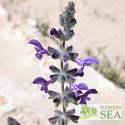
(Wooly Arabian Sage) "Radiant" is the word that garden writer and Salvia specialist Betsy Clebsch uses to describe the halo of white hairs covering the foliage and calyxes of Salvia lanigera.
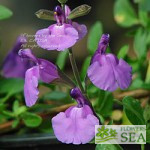
(Elk Grape Ape Jame Sage) Bountiful flowers that are larger than normal for Jame Sage cover Salvia x ‘Elk Grape Ape’ in a cloud of purple that is sort of amethyst to pinot gris in color.
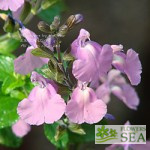
(Elk Smokey Grape Jame Sage) We think the dusky lavender flowers of Salvia x ‘Elk Smokey Grape’ look like the dusty, pale reddish-blue of Malbec grapes. This is a floriferous beauty.
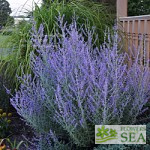
(Rocketman Russian Sage) A cloud of cool, lavender-blue flowers shoot upward from the fine-leafed, gray-green foliage of Salvia yangii ‘Rocketman’. This is a shorter, more upright form of Russian Sage, which was known botanically as Perovskia atriplicifolia until 2019 when the species was reclassified as a Salvia.
Results for low-water from the blog
| Xeric Choices |
| 1. Praise for Top 10 Lesser-Known Drought-Resistant Salvias |
| Eco-vigilantes. That's what some newspapers call smartphone users who post photos and videos tagged droughtshaming on Twitter and other social media documenting careless water use by celebrities, everyday homeowners and businesses, especially in Southern California. |
| 2. Colorful Salvias Break Myth of Dry Garden Drabness |
| Dry gardens are flowerbeds or entire landscapes based on ornamental perennials that require little to no watering once well rooted. Many Salvias are excellent, drought-resistant choices for these gardens. Flowers by the Sea Farm and Online Nursery talks about dry garden myths as well as low-water plants. |
| 3. Drought Praise: 3 Low-Water Plants for a Fragrant Walkway |
| Fragrant Salvias and companion plants are excellent choices for entryways. Drought-tolerant plants from naturally dry climates, such as the three featured here, often have a pleasant, resinous fragrance that lingers in memory. Flowers by the Sea promotes water conservation by posting "drought praise" for favorite xeric (low water) plants. Here we suggest three pleasingly fragrant choices for a border making the entry to your home soothing and welcoming. |
| 4. 15 Select Salvias for Dry, Partial-Shade Gardening |
| Learning how to garden in dry shade requires mediation of the needs of all the plants involved. Dry shade is particularly abundant under trees, because they consume lots of water. Fortunately, numerous drought-resistant Salvias can handle life in dry, partial shade. Flowers by the Sea details basic considerations of dry shade gardening and identifies 15 sages for it. |
| Cultivating Color |
| 5. Cultivating Color: Pastel Perennial Sages for Xeriscape |
| Not everyone who lives in a dry climate wants a cactus garden. And not all cottage gardens are filled with pansies and peonies. Flowers by the Sea highlights ten tough perennial Salvias in pastels for low-water cottage gardens. The palette of drought-resistant choices includes sages with blue, lavender, peach, pink and yellow flowers for a soothing touch in your landscape. |
| Getting Started with Salvias |
| 6. Getting Started: Salvias for the Southwest |
| Ask anyone to describe the American Southwest, and they're likely to sum it up in three letters : "D-R-Y." Yet precipitation can vary a lot here state by state and even within different parts of the individual states. One thing that is consistent about the story of water throughout the Southwest, is that rain and snow can rapidly swing from famine to feast to misfortune. |
| Book Reviews |
| 7. Book Review: Lawn Gone! Low-Maintenance, Sustainable, Attractive Alternatives for Your Yard |
| Lawn Gone by Texas landscaper and garden writer Pam Penick concerns replacement or minimization of lawns through xeriscape, the art of planting attractive waterwise landscapes. Penick redefines suburban yards through designs including perennial groundcovers and small shrubs -- such as Autumn Sages ( Salvia greggii spp.) -- as well as ornamental grasses, sedges and hardscape, including water features. Flowers by the Sea specializes in Salvias and other xeriscapic plants. |
| Ask Mr. Sage |
| 8. Ask Mr. Sage: What Size Pot Is Best for Transplanting Sages? |
| After your Salvias from Flowers by the Sea arrive, what size pots should you transplant them in for your container garden? The answer depends on the kind of sages you need to transplant. Ask Mr. Sage is a regular feature in our FBTS Everything Salvias Blog that answers customer questions about growing sages and companion plants. |
| 9. Ask Mr. Sage: How to Prevent Root Disease in Plants for Dry Gardens |
| Learn how to prevent root rot and keep dry-garden Salvias healthy by providing optimum growing conditions and avoiding overwatering. Ask Mr. Sage is a Q&A feature based on topics raised in calls and emails to Flowers by the Sea. This one, which concerns a Salvia species that is drought resistant and native to a dry climate, considers how to identify and prevent rot caused by a complex of soil pathogens that attack when roots. |
| Celebrity Salvias |
| 10. Celebrity Salvias: Hot Heatwave Hybrids from Australia |
| Waterwise landscapes don't have to be cactus gardens if you grow leafy, colorful drought-resistant Salvias, such as Australian Heatwave™ Mountain Sages, which are crosses of Salvia microphylla and S. greggii . Hybridizers Howard Bentley and Steve Eggleton of Plant Growers Australia used these tough American and Mexican native plants to create their series. One goal was to aid water conservation during their nation's hot, dry summers. |
| 11. Fall Planting: 8 Best-of-Class Sages that Are Easy to Grow |
| "Best of Class" is the title that Flowers by the Sea bestows on plants we honor for being winners in many ways. They are lovely, abundant bloomers and reliable repeat performers that are useful in many landscapes, including low-water gardens designed to have a cottage, woodland or desert look. In the case of the sages ( Salvia spp.) described here, all are easy to grow because they thrive with little fuss. Many are heat tolerant and drought resistant. |
| Getting Started with Salvias |
| 12. Getting Started: Types of Salvias for Zone 6 |
| To bloom yearly, Salvia perennials and shrubs in USDA Hardiness Zone 6 need to tolerate chilly winters with average low temperatures of -10 degrees F. The success of Zone 6 sages also depends on local growing conditions. Learn more at Flowers by the Sea, an online, mail-order Salvia nursery. |
Common terms in this search: windwalker royal red darcyi microphylla 'pwin one top plants usda cold hardiness zone selected colorado's plant select nonprofit organization focuses promoting low-water gardens exceptionally cold-tolerant varieties mexican sage mountain rare floriferous cross two species tolerates winter chill down degrees dry climate areas series xeric high-altitude created coloradan plantsman kelly grummons denver metro area's former timberline find also grows well our