
Advanced Search
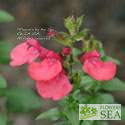
(People's Park Mountain Sage) Sometimes nature can be rebellious. This is one the Mountain Sages known as the Turbulent Sixties Series developed from an outlaw cultivar of the Southwestern native Salvia microphylla. Monterey Bay Nursery (MBN) named their accidental hybrid ‘Berzerkeley.’
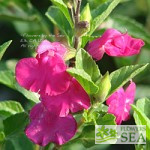
(Telegraph Avenue Dwarf Mountain Sage) Here’s another member of the Turbulent Sixties Series of Southwestern Mountain Sages (Salvia microphylla), which developed from one of nature’s rebels – an accidental hybrid that Monterey Bay Nursery (MBN) named ‘Berzerkeley’ after finding it taking a stand in the nursery’s gravel paving.
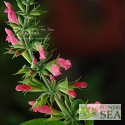
(Giant Karwinski's Sage) San Francisco arborist and gardener extraordinaire Ted Kipping developed this tower of creamy pinkalicious power that hummingbirds love. It's lush with bright green leaves that are large, pebbly and hairy on the underside.
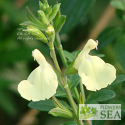
(Elk Lemon Sorbet Jame Sage) Unlike any other we have ever seen, this pale yellow flower seems at times to have a green tint. The foliege is typical of the Salvia microphylla parent - mid sized, round and textured. It is very different in flower and foliege from our popular variety 'Elk Lemon Lite'.
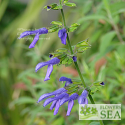
(Margie Griffith Sage) Salvia x 'Margie Griffith' is a big, purple-flowered beauty with glossy green, ribbed foliage. It feeds hummingbirds year round down South and on our coastal, Northern California farm where winter temperatures are moderate.
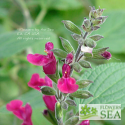
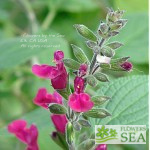
(Elk Red-Violet Hybrid Sage) A very special new hybrid Sage, featuring small but very numerous deep red-violet flowers on a vigorous, easy to grow plant. Loved by bees, butterflies and hummingbirds. A FBTS introduction.
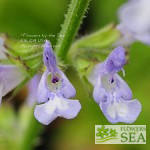
(Cut Leaf African Blue Sage) In botanical names, aurita means “ear shaped.” It’s the ear-like lobes of this sage’s leaves that give the species part of its name Salvia aurita ssp. galpinii. The cut leaf foliage is heavily lobed, mint green and lightly hairy.
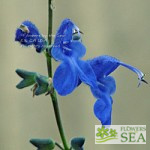

(Vermilion Bluffs® Mexican Sage) The brilliant red flowers of Vermilion Bluffs bloom abundantly from August to October. This variety of the Mexican native Salvia darcyi is cold hardy to Zone 5b at altitudes up to 5,500 feet.
The following terms were added to your search to help improve the result. Click here to exclude these extra terms from the search.
- free, frost
Common terms in this search: sometimes nature can rebellious one mountain sages known turbulent sixties series developed from outlaw cultivar southwestern native microphylla monterey bay nursery mbn named their accidental hybrid berzerkeley free spirit plant crosses readily other salvias particularly greggii five more hybrids hardy red berzerkely including peoples park sage which short hot pink greenish-red bracts butterflies honeybees hummingbirds love sub-shrub combining herbaceous shrubby