
Advanced Search
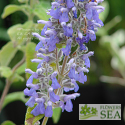
(Grape Scented Sage) With the grape scent of its pale lavender blossoms and its long history of medicinal use, it is no surprise that this sage is so widely distributed.
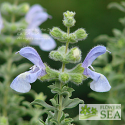
(Blue African Sage or Blousalie) A handsome, densely branched shrub with small, gray leaves, this Salvia puts on a show when in full bloom. The pale blue flowers bloom on foot-long spikes that cover the plant. Each flower has a large, trumpet-shaped, green-and-red bract at its base.
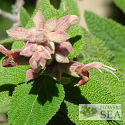
(Wooly Multicolor Sage) In Greek, "lasiantha" means "wooly flower." The flowers of Salvia lasiantha are surrounded by wooly bracts, but are even more notable for transforming from apricot-orange in the morning to reddish-purple later in the day.
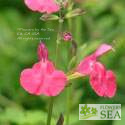
(Pink Preference Autumn Sage) Two-tone, hot pink flowers and contrasting bracts make this Autumn Sage stand out. This drought tolerant Autumn Sage from Central Texas is also compact, rugged, heat tolerant and capable of handling Zone 6 chill.
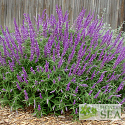
(Santa Barbara Mexican Bush Sage) This compact Mexican Bush Sage was found in the Santa Barbara garden of Kathiann Brown. It is, without a doubt, the finest short Mexican Bush Sage -- hardy, tough and long blooming. Add drought tolerance and dark, rich purple flowers to its list of merits.
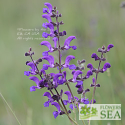
(Siberian Sage) Deep violet flowers surrounded by burgundy bracts form a handsome contrast with the pebbly, mint green foliage of this drought-resistant sage. It comes from the Central Asian steppe, which is similar in climate and geography to America’s high plains.
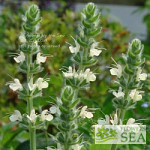
(Austrian Sage) Tall spikes of large, pale yellow flowers rise up from Salvia austriaca’s basal rosette of impressively large leaves. Deeply lobed, like the edges of a lacy collar, the leaves are broader and longer than those of any Salvia we have ever grown.
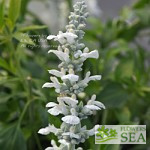
(White Flame Sage) Like bright white candle flames, the short vigorously upright flower spikes of petite Salvia x ‘White Flame’ light up flowerbeds.
Results for butterfly from the blog
| Butterflies in the Garden |
| 1. Salvias Down South: Southern California Butterfly Favorites |
| Wildscaping a butterfly-friendly garden in Southern California is an act of kindness, especially toward imperiled species. Gardeners from Santa Barbara southward may want to group coastal sage and chaparral plants in their butterfly gardens, because those are among favorite sources of nectar for adult butterflies and host plants for caterpillars. Sages are popular nectar choices. Plants, such as Milkweeds and Impatiens, that work well both as nectar providers and caterpillar hosts are important additions. |
| 2. Creating a Butterfly Garden with Delectable Salvias and Milkweeds |
| Creating a butterfly garden is like creating a teen-friendly home. You need to offer tasty snacks, healthy beverages, and comfortable accommodations that aren't too tidy. Like the teens that fill your basement and backyard, butterflies will keep coming back if you give them what they need. The variety of plants in your yard is the main reason why butterflies do or don’t visit. Salvias are among the popular plants for adult butterflies that love nectar. |
| Salvias Down South |
| 3. Salvias Down South: Texas Butterfly Favorites |
| Wildscaping is a way to landscape to attract pollinators. Butterflies are one of the most important. In Texas there are 463 species. Steering some of this herd of Lepidoptera toward your yard is easier if you know what butterflies frequent your region and which plants they favor for nectar and for laying their eggs, including Salvias. The Texas Parks and Wildlife Department, the Lady Bird Johnson Wildflower Center and Flowers by the Sea all can help Southwestern butterfly gardeners. |
| Sage Words About Wildlife |
| 4. Sage Words About Wildlife: Threats to Monarch Butterfly Migration |
| Declining numbers of Monarch butterflies is an ongoing problem. Due to research by organizations such as Monarch Watch and the Xerces Society as well as tracking efforts by the Mexican government, we now know about the dramatic ups and downs the species has experienced in the past 20 years. At Flowers by the Sea Online Nursery, we grow butterfly favorites to help you plant gardens supporting the migration of Monarchs and other butterflies. |
| Ask Mr. Sage |
| 5. Ask Mr. Sage: What Hummingbird and Butterfly Salvias Tolerate Lots of Moisture |
| Ask Mr. Sage answers questions based on calls and emails that Flowers by the Sea receives. This one explains how to cruise the Flowers by the Sea online catalog to find butterfly and hummingbird Salvias that can handle lots of moisture. |
| Butterflies in the Garden |
| 6. Leaving the Light on for Butterflies at the Leaf Litter Motel & Wood Pile Lodge |
| If you want to invite butterflies to lodge in your backyard overnight or during winter, building pretty butterfly houses won't succeed. They need all kinds of messy hangouts to ride out a rain storm, sleep through the night safely and endure winter in your garden. You can build a butterfly hostel without hammer and nails. |
| Salvia Small Talk |
| 7. Salvia Small Talk: A Bodacious Butterfly Name |
| You may have better luck finding the Two-tailed Tiger Swallowtail among your Salvias than pronouncing its many long names. |
| Portraits in Gardening |
| 8. Portraits in Gardening: Ward Dasey |
| Portraits in Gardening is a blog series from Flowers by the Sea that profiles customers who are passionate about the Salvia genus. This article focuses on wildlife gardener, birder and dedicated volunteer Ward W. Dasey III, who grows Salvias at New Jersey's Palmyra Cove Nature Park. Dasey and nature-loving friends proposed the park to make bird watching easier on the Delaware River. |
| Salvia Small Talk |
| 9. Salvia Small Talk: Flowers by the Sea Is Monarch Waystation 7671 |
| Flowers by the Sea recently received classification as a certified Monarch Waystation by Monarch Watch. When you purchase milkweed plants (Asclepias spp.) from FBTS or seed from Monarch Watch, you can grow your own waystation and help Monarchs start making a comeback from their precipitous decline of recent years. |
| Hummingbirds in the Garden |
| 10. Ten Favorite Flowers for Butterflies and Hummingbirds |
| Flowers that butterflies and hummingbirds favor are rich sources of nectar. But not all nectar-rich butterfly favorites are easy to access with long hummingbird beaks. Conversely, many flowers designed by nature to attract hummingbirds don't have the structure necessary for feeding butterflies or providing a perch. Here are ten Salvias and companion plants for backyard wildlife habitat that both butterflies and hummingbirds will enjoy. |
| 11. 15 Select Salvias for Dry, Partial-Shade Gardening |
| Learning how to garden in dry shade requires mediation of the needs of all the plants involved. Dry shade is particularly abundant under trees, because they consume lots of water. Fortunately, numerous drought-resistant Salvias can handle life in dry, partial shade. Flowers by the Sea details basic considerations of dry shade gardening and identifies 15 sages for it. |
| Book Reviews |
| 12. Book Review: Stop. . .and Smell the Mints |
| Randy Collins was surprised when he got hooked on horticulture following retirement. But after a move to South Carolina, he was even more surprised at how deer destroyed his gardens until he began growing lots of mint family ( Lamiaceae ) plants like Salvias. It inspired him to write Stop...and Smell the Mints . |
Common terms in this search: grape scented sage scent its pale lavender blossoms long history medicinal use surprise widely distributed indigenous tarahumara people northern mexico have used centuries treat variety infirmities gardener today offers drought resistance heat tolerance along fragrance color although can grow feet tall native habitat generally averages growth wide home gardens nevertheless mighty ability ensure pollination garden because warning powerful hummingbird honeybee