
Advanced Search
Advanced Search
1 to 1 of 1
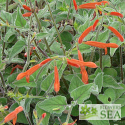
(Oaxaca Orange Wooly Sage) Tall, eye-catching spikes of dusky red-orange flowers that bloom from summer into fall make this one of our most impressive Salvias. Plus it's cold hardy into Zone 7.
1 to 1 of 1
Results for fully from the blog
| Ask Mr. Sage |
| 1. Ask Mr. Sage: How Should I Space Salvias When Planting |
| By spacing Salvias properly when planting, you avoid problems caused either by overcrowding or leaving too much space around individual plants. Most Salvias are healthier with good air circulation. Crowding leads to the spread of fungal diseases and pests, such as spider mites. Too wide of spacing may cause branches to break in high winds. By paying attention to plant measurements before planting, you can create a good spacing plan. Ask Mr. Sage is a Q&A feature based on topics raised in calls and emails to FBTS. |
| Hummingbirds in the Garden |
| 2. 6 Indispensable Hummingbird Flowers for Long, Easy Bloom |
| Hummingbirds are like tiny combat jets dive bombing each other when staking claim to the nectar-rich flowers they need for survival. Fights over nectar habitat can reduce hummingbird gardens to single occupancy. FBTS Farm and Online Nursery details and tells stories about its top six hummingbird flowers. Plant lots of them to accommodate a village of hungry hummers. |
| 3. 6 Salvias for Shade |
| Most gardeners associate plants in the genus Salvia with full sun, rocky soil, drought and semi-arid native lands. Although a number of sages fit this picture, far more appreciate loamy, fertile garden soil. Some require lots of water. Also, a large number of sages thrive in partial shade, and some tolerate full shade. Here are six of the many shade lovers that Flowers by the Sea grows. |
| Hummingbirds in the Garden |
| 4. Guide to Fuchsia Cultivation & History |
| Like tiny dancers dressed in fancy skirts, Fuchsia flowers dangle from upright shrubs in long blooming hedges and from trailing branches in hanging baskets. Fuchsias are hummingbird favorites that come in many rosy colors. Read about them in the FBTS Guide to Fuchsia Cultivation & History . |
| Cultivating Color |
| 5. Add Pale Dreamy Sages to Your List of Moon Garden Plants |
| Moon gardens contain plants with pale flowers -- especially whites -- and silvery or variegated foliage that shine in moonlight. Some gardeners plant them to glow from afar when peering into the dark through a window. Others design these gardens for nighttime rambles. A number of white-flowered sages would be excellent additions to the dreamy design of a moon garden. |
| Ask Mr. Sage |
| 6. Ask Mr. Sage: Where Can You Grow Agastache? |
| Hummingbirds love Agastache. Mr. Sage explains that just because one kind of Agastache is wrong for your climate, it doesn't mean they all are and that the genus is native to most of the United States. Ask Mr. Sage is a regular feature in our Everything Salvias Blog that answers customer questions. |
| 7. Ask Mr. Sage: How FBTS Chooses New Salvias |
| Some Salvia collectors want to obtain a broad range of sages including all the new introductions on the market. But Flowers by the Sea can't and doesn't want to grow all the new cultivars available, partly because there is a growing abundance of Salvia introductions. Instead, FBTS focuses on selecting the most superior new plants even when introducing its own hybrids in its series of Rainbow Jame Sages. Ask Mr. Sage is a regular feature based on calls and emails received by FBTS. |
| 8. Ask Mr. Sage: How to Combat Whiteflies Safely |
| Ask Mr. Sage is our blog's new question-and-answer feature, based on calls and emails received at Flowers by the Sea. This question concerns how to safely rid Salvias of Whiteflies and their eggs. |
| 9. Ask Mr. Sage: What Is Withering My Native Salvia? |
| A California native sage that looks like it is suffering from drought may actually have root disease caused by a water mold called Phytophthora. Natives are affected by types of this pathogen that strike when soil is moist and temperatures are hot. Ask Mr. Sage is a regular feature of the Everything Salvias Blog and is based on calls and emails from customers. |
| Hummingbirds in the Garden |
| 10. Hummingbirds in the Garden: Attracting Hummingbirds to Your Garden |
| Planting a hummingbird garden filled with nectar-rich, long-blooming Salvias aids preservation of hummingbird species that migrate each year throughout North America. It also gives you a front-row seat to a fascinating aerobatics show. Backyard islands of colorful sages are like gas stations for hummingbirds' long-distance journeys. Salvias can keep your garden whirring with the helicopter-like flight of hummingbirds from spring through autumn and -- in warm climates -- into winter. |
| 11. Battles in the Salvia Garden: Controlling Spider Mites - Part I |
| Salvias often suffer when spider mites become legion in gardens. This is Part 1 of a two-part series about understanding and overcoming these dangerous pests. As summer temperatures rise, so do the numbers of the family Tetranychidae -- spider mites -- especially if conditions are dry. Controlling spider mites in your Salvia garden may be as simple as keeping plants hydrated and regularly spraying the little nippers off foliage. Or it may take a number of interventions, including biological controls, such as predatory mites, as well as the use of insecticidal soaps, oils and pesticides |
| 12. Battles in the Salvia Garden: Controlling Spider Mites - Part II |
| Pollinators lose important food sources when Salvias and other nectar-rich flowers are destroyed by spider mites. This is Part 2 of a two-part series about understanding and overcoming these dangerous pests. Along with the non-chemical interventions described in Part 1 of this series, gardeners sometimes need the help of predatory insects and mites, insecticidal soaps and horticultural oils. Pesticides called miticides may also eventually be necessary, but should be the last resort. |
Recent Searches
Common terms in this search: oaxaca orange wooly sage tall eye-catching spikes dusky red-orange flowers bloom from summer into fall make one our most impressive salvias plus its cold hardy zone even fully blooming border native southern mexicos cloud forests plant draws eye harmonize deep blues such gentian patens patio blue bright yellows including nubicola oranges hairy foliage gains description being helps survive drought heat