
Advanced Search
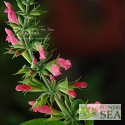
(Giant Karwinski's Sage) San Francisco arborist and gardener extraordinaire Ted Kipping developed this tower of creamy pinkalicious power that hummingbirds love. It's lush with bright green leaves that are large, pebbly and hairy on the underside.
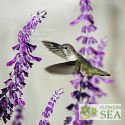
(Mexican Bush Sage or Velvet Sage) Large purple and white flowers bloom abundantly on this compact dwarf plant. If you love the rich colors and velvety foliage of Mexican Bush Sage but have limited space or need a container variety, this one is is for you.
Results for power from the blog
| 1. The Power of Scent |
| While it's true that not all Salvias smell, well, pleasant, many varieties are grown specifically for the aromatic or even sweet aromas that they release into the air. These ten Salvias are our top picks for the best-smelling varieties in the garden. |
| Hummingbirds in the Garden |
| 2. Guide to Fuchsia Cultivation & History |
| Like tiny dancers dressed in fancy skirts, Fuchsia flowers dangle from upright shrubs in long blooming hedges and from trailing branches in hanging baskets. Fuchsias are hummingbird favorites that come in many rosy colors. Read about them in the FBTS Guide to Fuchsia Cultivation & History . |
| Book Reviews |
| 3. Book Review: Stop. . .and Smell the Mints |
| Randy Collins was surprised when he got hooked on horticulture following retirement. But after a move to South Carolina, he was even more surprised at how deer destroyed his gardens until he began growing lots of mint family ( Lamiaceae ) plants like Salvias. It inspired him to write Stop...and Smell the Mints . |
| New at FBTS |
| 4. New Customer Service Telephone |
| To provide you, our friends & customers with the very best service possible, we have a new telephone number. |
| Salvia Small Talk |
| 5. Salvia Small Talk: Excel in the Garden |
| An Excel spreadsheet can be helpful in tracking Salvia plantings. |
| Celebrity Salvias |
| 6. The Roseleaf Sage Group: Who's Who & What's What |
| Differentiating between the plants in a closely related group can feel similar to being an outsider attending a large family reunion. Identifying who's who and how they are connected is a challenge. That's the way it is with Mexico's Roseleaf Sage ( Salvia involucrata ) Group, which is well loved by hummingbirds. FBTS Online Plant Nursery grows a number of species from this winter-blooming group. |
| Hummingbirds in the Garden |
| 7. A Gardeners Guide to Hummingbird Sage |
| Among the hummers' favorites: Salvia spathacea, commonly known as Hummingbird Sage. As it name suggests, this California native produces the hummingbirds' flower of choice, blooming from late winter through summer -- and sometimes again in Fall -- with rose-pink to magenta blossoms. Available in six varieties, this robust perennial not only attracts hummers with its abundant nectar, it's easy to grow and enhances any landscape with its aromatic blooms and fragrant evergreen foliage. |
| Ask Mr. Sage |
| 8. Ask Mr. Sage: What Kinds of Salvias Are Edible? |
| Ask Mr. Sage answers questions based on calls and emails that Flowers by the Sea receives. This post concerns Salvias that are edible and tasty. Although we are unaware of any Salvia species (true sages) that contain poisonous parts, we are cautious about which ones to recommend for culinary use. A link to our culinary species is included along with links to our blog posts about cooking with sages. |
| Hummingbirds in the Garden |
| 9. Hummingbirds in the Garden: Attracting Hummingbirds to Your Garden |
| Planting a hummingbird garden filled with nectar-rich, long-blooming Salvias aids preservation of hummingbird species that migrate each year throughout North America. It also gives you a front-row seat to a fascinating aerobatics show. Backyard islands of colorful sages are like gas stations for hummingbirds' long-distance journeys. Salvias can keep your garden whirring with the helicopter-like flight of hummingbirds from spring through autumn and -- in warm climates -- into winter. |
| 10. Battles in the Salvia Garden: Controlling Spider Mites - Part II |
| Pollinators lose important food sources when Salvias and other nectar-rich flowers are destroyed by spider mites. This is Part 2 of a two-part series about understanding and overcoming these dangerous pests. Along with the non-chemical interventions described in Part 1 of this series, gardeners sometimes need the help of predatory insects and mites, insecticidal soaps and horticultural oils. Pesticides called miticides may also eventually be necessary, but should be the last resort. |
| 11. Battles in the Salvia Garden: Pretty Southern Pink Moth |
| Southern Pink Moth (Pyrausta inornatalis) is diminutive and pretty, but it’s a powerful pest in Salvia gardens. As the common name indicates, it is primarily found in the South. Yet it is flitting into gardens further north. Read more to learn how to identify and control this pest. |
| Xeric Choices |
| 12. Drought Praise: 3 Low-Water Plants for a Fragrant Walkway |
| Fragrant Salvias and companion plants are excellent choices for entryways. Drought-tolerant plants from naturally dry climates, such as the three featured here, often have a pleasant, resinous fragrance that lingers in memory. Flowers by the Sea promotes water conservation by posting "drought praise" for favorite xeric (low water) plants. Here we suggest three pleasingly fragrant choices for a border making the entry to your home soothing and welcoming. |
Common terms in this search: giant karwinski's sage san francisco arborist gardener extraordinaire ted kipping developed tower creamy pinkalicious power hummingbirds love it's lush bright green leaves large pebbly hairy underside karwinskii 'ted's footer' reaches heights almost double those our other tallest varieties tough shrub long bloom season includes winter during which can withstand short periods freezing weather low degrees still keep blooming due its