
Advanced Search
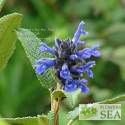
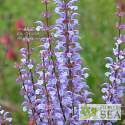
(Red Veined Sage) In 1827, John Wilkes referred to Salvia haematodes as "Bloody Sage" in his Encyclopaedia Londinensis, Volume 22. This might seem mysterious when first viewing the sage's upright yet somewhat relaxed spikes of whorled, violet-colored flowers.
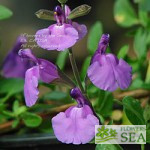
(Elk Grape Ape Jame Sage) Bountiful flowers that are larger than normal for Jame Sage cover Salvia x ‘Elk Grape Ape’ in a cloud of purple that is sort of amethyst to pinot gris in color.
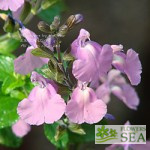
(Elk Smokey Grape Jame Sage) We think the dusky lavender flowers of Salvia x ‘Elk Smokey Grape’ look like the dusty, pale reddish-blue of Malbec grapes. This is a floriferous beauty.
Results for stay from the blog
| 1. About Our Farm: The Dang Dairy Cat Came Back |
| Farms need cats to keep rodents under control. Feisty Felix is the king of mousing in the greenhouses of Flowers by the Sea. |
| Cultivating Color |
| 2. Gray and Silver Foliage Lights Up the Landscape Day and Night |
| It isn't easy describing green in the garden. Foliage can span greens so pale they are almost white to blue-greens so deep they murmur the forest primeval. Amid this range, you'll find shimmering silver- and gray-leaf species. To locate these types of Salvias and companion plants in the Flowers by the Sea catalog, please visit our " Gray and Silver Leaf Plants" category in the FBTS catalog menu. This article includes a small sampler of our selection. |
| 3. Pretty, Practical Cottage Gardens Rooted in Pandemic History |
| Romantic visions of small, rose-covered houses with thatched roofs and bountifully blooming yards don't tell the story of how cottage gardens came to be in the Middle Ages due to a devastating pandemic. FBTS Farm and Online Nursery talks about cottage gardening past and present. |
| Quick Digs |
| 4. Quick Digs: Wintering Over Salvias Indoors |
| For some gardeners, bringing outdoor plants inside during winter is a practical matter. You want to save money. For others, plants are a bit like pets. You feel tender about your tender perennials and can't bear to think of a lovely sage dying from exposure to harsh weather. This fourth article in our Quick Digs series on preparation for winter in the Salvia garden suggests ways to overwinter sages indoors. |
| Sage Experts |
| 5. Sage Experts: Nancy L. Newfield's Hummingbird Journey |
| Renowned hummingbird bander Nancy Newfield of southern Louisiana shares her journey from 1970s stay-at-home mom to citizen scientist and one of the nation's leading hummingbird researchers. This is the first article in a three-part series about Newfield's work and gardens, which abound with Salvias to feed hungry hummingbirds that overwinter in her suburban yard near New Orleans. It includes plant lists and the Louisiana Winter Hummingbird Project tally of banded hummingbirds from 1979 to 2015. |
| 6. A New Category - Autumn Sage & Mountain Sage |
| Without a doubt, this group of closely related plants are the most widely grown of the genus. From 'Hot Lips' to 'Texas Wedding', there is something here for everyone. |
| Hummingbirds in the Garden |
| 7. Hummingbirds in the Garden: Attracting Hummingbirds to Your Garden |
| Planting a hummingbird garden filled with nectar-rich, long-blooming Salvias aids preservation of hummingbird species that migrate each year throughout North America. It also gives you a front-row seat to a fascinating aerobatics show. Backyard islands of colorful sages are like gas stations for hummingbirds' long-distance journeys. Salvias can keep your garden whirring with the helicopter-like flight of hummingbirds from spring through autumn and -- in warm climates -- into winter. |
| 8. August in the Salvia Garden |
| August is a time when many sages grow rapidly and feed a frenzy of pollinators in need of rich nectar and pollen. It's hot, so you have to be careful not to let plants or yourself wilt. Here are some tips for tasks from watering to planning when tending your garden this month. |
| Butterflies in the Garden |
| 9. Creating a Butterfly Garden with Delectable Salvias and Milkweeds |
| Creating a butterfly garden is like creating a teen-friendly home. You need to offer tasty snacks, healthy beverages, and comfortable accommodations that aren't too tidy. Like the teens that fill your basement and backyard, butterflies will keep coming back if you give them what they need. The variety of plants in your yard is the main reason why butterflies do or don’t visit. Salvias are among the popular plants for adult butterflies that love nectar. |
| 10. Fall Cleanup: Plant Placement and Pesky Problems |
| You don’t usually have to fuss over Salvias to give them what they need. Yet the end of fall and other growing seasons are good times to seek solutions to problems that affect plant vigor. It is a time for a call to attention as well as a cleanup call to action. |
| Sacred Sages |
| 11. Sacred Sage: Giant Bolivian Sage |
| Of all the mint family's more than 6,500 species worldwide, Giant Bolivian Sage (Salvia dombeyi) has the longest blossoms and tallest growth. Each tubular crimson flower grows up to 5 inches long and has a burgundy calyx at its base.The plant's bright green, heart-shaped leaves are equally long. In South America, the flowers are pollinated by hummingbirds with extremely long beaks. However, Giant Bolivian Sage don't need pollination to flower beautifully for many seasons if growing conditions are right. |
| Cultivating Color |
| 12. Pantone Pageant: Designer African Violet Salvias and Companions |
| Purples are cool yet quietly passionate. This includes African Violet 16-3520, a spring 2013 designer color created by the Pantone Corporation. Shades in the blue and purple color range are tranquil and soothing yet commanding, because they calm the garden. Here are a number of choices from our catalog that fashionably match Pantone's African Violet. |
Common terms in this search: corrugated sage dense purple-blue whorls flowers complement somewhat linear deeply textured dark green leaves cottony undersides evergreen handsome native ecuadorian andes mountains grows quickly easily feet tall wide needs full sun well-drained soil regular water stay nearly continuous bloom look best occasional pruning growing tips container planting helps restrict shrub's growth about enjoy contrasting plant's rounded form taller airier sages