
Advanced Search
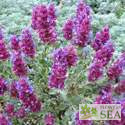
(Giant Purple Desert Sage) It’s best to plant this flamboyant native of the Southwest in spring or summer. However, once established, it tolerates winters from USDA Zones 5 to 9. Purple tubular flowers and burgundy bracts flare up its 10-inch flower spikes like flames on this softly rounded shrub.
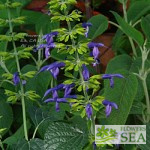
(Russell's Mexican Sage) Expect rapid, tall growth from this Salvia Mexicana . In the ground, Russell’s Mexican Sage can reach up to 10 feet tall and 5 feet wide, providing an effective screen of dark green, heart-shaped foliage. By late autumn it’s bursting with flowers.
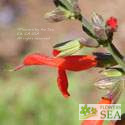
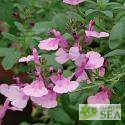
(Elk Bella Rosa Jame Sage) The large, creamy pink and burgundy flowers of this sage are stately in contrast with its deep green, veined, ovate foliage that is pleasantly fragrant. Elk Bella Rosa is as elegant as its name implies. It's also long blooming.
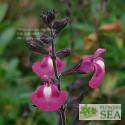
(Elk Plum Parfait Jame Sage) It's a toss-up as to which are more dramatic -- the deep purple calyxes so dark they almost look black or the plum-colored flowers with pronounced white beelines. Elk Plum Parfait is a rare treat.
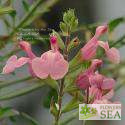
(Elk Twilight's Rosy Glow Jame Sage) Rosy red hairs accentuate the upper lip of each dusky, salmon-pink blossom of this cheery Jame Sage. The flowers are tiny but abundant and are supported by bright green calyxes.
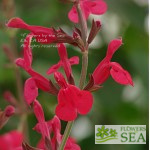
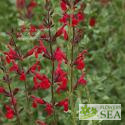
(Windwalker® Royal Red Salvia) Salvia darcyi x S. microphylla 'PWIN03S' is one of the top 2015 plants for USDA Cold Hardiness Zone 5 selected by Colorado's Plant Select®, a nonprofit organization that focuses on promoting plants for low-water gardens.
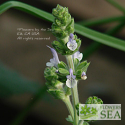
(Strong Spanish Sage) Fuzzy green stems and bracts mature to burgundy on this lovely, lavender flowered sage that roughly doubles in height when blooming. Salvia valentina is a variety of the European native S. nemorosa, a Meadow Sage.
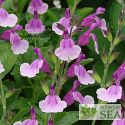
(Elk Chantily Lace Jame Sage) What color are the flowers of this FBTS introduction? Lavender? Periwinkle? Taffy? Yes to all for this hard to describe but easy to love plant.
Results for drain from the blog
| Container Gardening |
| 1. A Guide to Successful Potting Soils for Salvias |
| One of the decisions that Salvia gardeners face in spring is what kind of potting mix to use for outdoor container plants. Find answers in FBTS Farm & Online Nursery's guide to successful potting soils for Salvias. |
| 2. Container Gardening Basics: Selecting a Good Potting Mix |
| Why is regular garden soil a poor choice for container gardening, and why is sterilized, soilless potting mix better. The term "sterilized" indicates that a potting medium is free of pathogens, weed seed and toxins. "Soilless" means that although it contains organic and inorganic matter, it isn't a garden soil. One of the main reasons to use a soilless mix is that it allows water to drain better in a confined space. Flowers by the Sea explains the basics of potting mixes and why no one recipe fits all needs. |
| 3. Container Gardening Basics: Selecting and Arranging Pots |
| Assembling a new planter with fresh potting soil and young plants is a feel-good activity similar to moving into a new home. Each pot and property is full of promise. Placing a single plant or a grouping in the right size of pot is like selecting a starter home for it that will encourage healthy growth. The type of material a pot is made from also affects development. Flowers by the Sea Online Salvia Nursery explains how to choose correct pot sizes as well as pot styles, sizes, colors and arrangements. Don't miss The Flowerpot Men music video! |
| 4. Fall Planting: Tips for Salvia Success |
| For people and for plants, cool fall weather is comfortable for working in the garden. As gardeners dig, amend soil, weed and water, newly planted perennials focus their efforts on growing strong root systems before the chill of winter. Most perennial sages ( Salvia spp.) thrive if planted in fall. As temperatures decline, the soil remains warm. These conditions cause plants to decrease their growth above ground and focus on root expansion. Here are some tips about why and how you can succeed in the Salvia garden by planting during autumn. |
| Ask Mr. Sage |
| 5. Ask Mr. Sage: What Size Pot Is Best for Transplanting Sages? |
| After your Salvias from Flowers by the Sea arrive, what size pots should you transplant them in for your container garden? The answer depends on the kind of sages you need to transplant. Ask Mr. Sage is a regular feature in our FBTS Everything Salvias Blog that answers customer questions about growing sages and companion plants. |
| 6. Ask Mr. Sage: How to Prevent Root Disease in Plants for Dry Gardens |
| Learn how to prevent root rot and keep dry-garden Salvias healthy by providing optimum growing conditions and avoiding overwatering. Ask Mr. Sage is a Q&A feature based on topics raised in calls and emails to Flowers by the Sea. This one, which concerns a Salvia species that is drought resistant and native to a dry climate, considers how to identify and prevent rot caused by a complex of soil pathogens that attack when roots. |
| 7. Ask Mr. Sage: How to Identify Fertilizer Burn |
| Ask Mr. Sage is our blog's new question-and-answer feature, based on calls and emails received at Flowers by the Sea. This question concerns dark spotting on foliage that may be caused by fertilizer burn. |
| 8. Ask Mr. Sage: What Sages Grow in Clay Soils? |
| Ask Mr. Sage answers questions based on calls and emails that Flowers by the Sea receives, such as concerns about what Salvias will grow in clay soils. This article talks about specific plants for dry and wet clay conditions, how to improve soil drainage and planting on slopes in wet areas. |
| Sage Words About Wildlife |
| 9. Sage Words About Wildlife: Birdbath and Hummingbird Feeder Care |
| Sometimes it is difficult for hummingbirds to get all the nectar they need from the garden, even if you have many Salvias. Hummingbird feeders supplement mother nature and attract a crowd of the Family Trochilidae. Water features, including misters, are also good attractants. However, both feeders and water features need to be kept clean so they don't harm hummers. |
| Container Gardening |
| 10. Container Gardening Basics: Watering Potted Plants |
| Container plantings are welcome islands of color and fragrance whether in small or large yards. Their emergence signals the pleasures of summer, including icy glasses of lemonade. Potted plants have a mighty thirst, as well. Container garden plans for Salvias and companion plants need to factor in greater frequency of watering than the plants would receive in-ground. |
| Xeric Choices |
| 11. Drought Praise: Around the World with Sunny Groundcovers |
| Bring on the sun. Bring on the heat. Bring on the drought-resistant Salvia groundcovers.Flowers by the Sea offers a short list of top groundcovers from around the world for fighting drought. They come from Asia, California, Mexico and Morocco in lavender, purple and pink to do battle against the boring brown caused by water shortage. Similar to gravel, bark chip or pine needle mulch, these groundcovers discourage weeds, cool soil, conserve moisture and add color to gardens. They are living mulch. |
| Getting Started with Salvias |
| 12. Getting Started: How Much Water Salvias Need |
| Salvias may need little or lots of water depending on species and local growing conditions. Many are drought resistant, getting by on less than an inch a week. Learn about the many kinds of Salvias, also called sages, at Flowers by the Sea. We're an online, mail-order nursery specializing in sages. |
Common terms in this search: giant purple desert sage it's best plant flamboyant native southwest spring summer however once established tolerates winters from usda zones tubular flowers burgundy bracts flare its -inch flower spikes like flames softly rounded shrub fragrant drought resistant heat tolerant isn't particular about soils long they drain well give lots sunshine little water performance have learned experience species grows where there