
Advanced Search
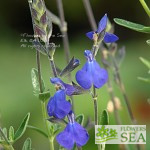
(Elk Blue Note Sage) In Europe and Australia there is a popular and widely used seed grown Salvia variety called 'Blue Note'. Our offering, 'Elk Blue Note', is the result of several generations of careful breeding and selection.
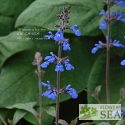
(Sinaloan Blue Sage) It's difficult to say which trait is more attractive about this sage -- the airy spikes of deep, true blue flowers or the fascinating spear-shaped foliage that varies from deep green to purple, forming a tidy mat.
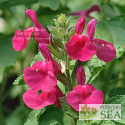
(St. Charles Day Mountain Sage) Especially in spring and fall, masses of red-violet flowers bloom amid the silvery green foliage of Salvia microphylla 'San Carlos Festival'. Put this one into the "must have" column.
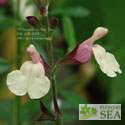
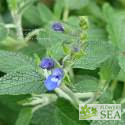
(Furry Colombian Sage) The leaves of this rare shrub are a glossy mid-green on top and fuzzy with hairs underneath, which is why it's commonly called Furry Colombian Sage.
Results for offering from the blog
| Hummingbirds in the Garden |
| 1. 6 Indispensable Hummingbird Flowers for Long, Easy Bloom |
| Hummingbirds are like tiny combat jets dive bombing each other when staking claim to the nectar-rich flowers they need for survival. Fights over nectar habitat can reduce hummingbird gardens to single occupancy. FBTS Farm and Online Nursery details and tells stories about its top six hummingbird flowers. Plant lots of them to accommodate a village of hungry hummers. |
| Ask Mr. Sage |
| 2. Ask Mr. Sage: How FBTS Chooses New Salvias |
| Some Salvia collectors want to obtain a broad range of sages including all the new introductions on the market. But Flowers by the Sea can't and doesn't want to grow all the new cultivars available, partly because there is a growing abundance of Salvia introductions. Instead, FBTS focuses on selecting the most superior new plants even when introducing its own hybrids in its series of Rainbow Jame Sages. Ask Mr. Sage is a regular feature based on calls and emails received by FBTS. |
| 3. 6 Salvias for Shade |
| Most gardeners associate plants in the genus Salvia with full sun, rocky soil, drought and semi-arid native lands. Although a number of sages fit this picture, far more appreciate loamy, fertile garden soil. Some require lots of water. Also, a large number of sages thrive in partial shade, and some tolerate full shade. Here are six of the many shade lovers that Flowers by the Sea grows. |
| Hummingbirds in the Garden |
| 4. Guide to Fuchsia Cultivation & History |
| Like tiny dancers dressed in fancy skirts, Fuchsia flowers dangle from upright shrubs in long blooming hedges and from trailing branches in hanging baskets. Fuchsias are hummingbird favorites that come in many rosy colors. Read about them in the FBTS Guide to Fuchsia Cultivation & History . |
| 5. Blazing Red Sages for Sun and Partial Shade |
| Warm colors tend to take center stage in a landscape as well as brightening the shade. Yet warm colors generally aren't associated with shady sage (Salvia) gardens, because there are far more shade-tolerant sages in the blue to purple range. So we decided to poke around our catalog and pull together some hot choices that thrive in partial shade. To make landscaping even easier, you may want to limit your choice of plants to one color. Massing is dramatic. |
| Celebrity Salvias |
| 6. Celebrity Salvias: Fuzzy, Fancy Salvia Oxyphora |
| A bright, cherry-licorice red, the large, fuzzy blossoms of Salvia oxyphora would make anyone stop and pay attention. Commonly known as Fuzzy Bolivian Sage or Bolivian Spearhead Sage, S. oxyphora has equally unusual foliage that fools the eye. At a distance, the plant’s lance-shaped leaves appear to be a smooth, glassy green. However, they are covered with tiny clear-to-white hairs. They’re also large -- growing up to 5 inches long and 2 inches wide at maturity -- and taper to long, sharp points. It was first collected near Cochabamba, Bolivia, by German botanist Otto Kunst in 1892 |
| Butterflies in the Garden |
| 7. Creating a Butterfly Garden with Delectable Salvias and Milkweeds |
| Creating a butterfly garden is like creating a teen-friendly home. You need to offer tasty snacks, healthy beverages, and comfortable accommodations that aren't too tidy. Like the teens that fill your basement and backyard, butterflies will keep coming back if you give them what they need. The variety of plants in your yard is the main reason why butterflies do or don’t visit. Salvias are among the popular plants for adult butterflies that love nectar. |
| Getting Started with Salvias |
| 8. Getting Started: Annual, Perennial and Shrub Sages |
| For beautiful floral display and refreshing greenery, every yard needs a combination of annual bedding plants, perennials and shrubs. Salvias provide a feast of landscaping possibilities. Flowers by the Sea explains all the different types of Salvias, including subshrubs, biennials and tree-like Salvias |
| 9. About our Farm: Growing Sage by the Sea |
| Flowers by the Sea (FBTS) is a small, family farm that raises hundreds of species of Salvia and companion plants, including Plectranthus. We are proud of our beautiful plants, excellent customer service and 100 percent guarantee of satisfaction. |
| New at FBTS |
| 10. Dig Deep & Fast for Salvias in Expanded Quick Look Galleries |
| Speedy access to well-illustrated, well-organized information is important. To help you dig deep and fast into the Flowers by the Sea online nursery catalog of Salvias and companion plants, FBTS has expanded its Quick Look Picture Galleries and information. |
| Shade Gardening |
| 11. Made for Shade: Japanese Woodland Salvias |
| Sturdy, shade-loving Japanese Salvias are lovely additions to woodland gardens with their lush, large-leafed foliage and delicate-looking flowers in colors including pinks, purples and yellows. They're ideal for bordering shady paths where they invite visitors to pause for close-up views. Flowers by the Sea suggests Japanese species for woodland gardens and organizes them according to their cold hardiness. |
| New at FBTS |
| 12. New Product Filtering Tool Helps You with Decision Making |
| Flowers by the Sea now offers a powerful, do-it-yourself, product-filtering tool that makes plant selection easier and faster. It sets up a matrix of choices to help customers sort possible selections for their gardens based on USDA cold hardiness zones, sun exposure, mature height and spread of plants, soil type and water needs. This article explains how the tool works and provides examples of how to use it. |
Common terms in this search: elk blue note sage europe australia there popular widely used seed grown variety called 'blue note' our offering 'elk result several generations careful breeding selection starting lots have worked produce distinctive beautiful clonal call unlike those plants from reliable habit floral display proud release new olive green leaves sun-lover small hard plant densely branching resembles some wild collected greggii varieties