
Advanced Search
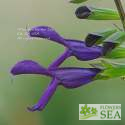
(Betsy's Choice Sage) Life and botany have their beautiful mysteries. Betsy's Choice Sage is one of them. We aren't certain of the parentage or history of this tall, attractive, fast-growing sage. However, we are certain that we love its long, royal purple flowers. Hummingbirds do as well.
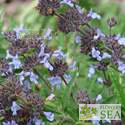
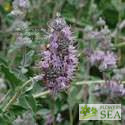
(Bee's Bliss Sage) If you are looking for a California native sage to use as a groundcover, Bee's Bliss is a fine choice. Low-growing, widespreading and colorful, it is ideal for choking weeds.
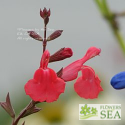
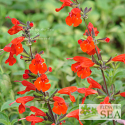
(Summer Jewel Red Tropical Sage) Butterflies, hummingbirds and honeybees enjoy this Fleuroselect Gold Medal winner, which is an outstanding choice for bright red color from June to autumn. This type of Tropical Sage is generally the first to flower for us.
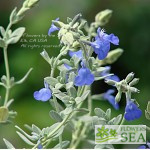
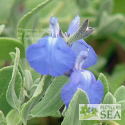
(Silver Germander Sage) With its compact habit, brilliant silver-white leaves and large, sky blue flowers, this is an outstanding heat-tolerant choice for dry, sunny gardens. We consider this to be one of the finest short ground covers for these conditions.
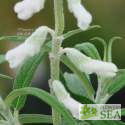
(White Mischief Mexican Bush Sage) Profuse white blossoms and true white velvety bracts make the flowers of this South African hybrid a lovely choice for a wedding. In our experience, many of the plants sold as White Mischief are not the real thing. This tough, compact, long blooming sage is.
(Recurved Sage) At home in the shady, high-altitude cloud forests of Southern Mexico and Guatemala, this large, lush sage requires a warm, moist climate. In cool climates, it can handle full sun. However, partial shade is a better choice in most gardens.
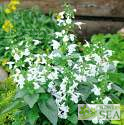
(Snow Nymph White Tropical Sage) Butterflies, hummingbirds and honeybees enjoy this award winner, which is an outstanding choice for pure white color from June to autumn. This type of Tropical Sage is generally the first to flower for us.
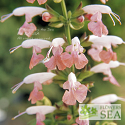
(Summer Jewel Pink Tropical Sage) Butterflies, hummingbirds and honeybees enjoy this Fleuroselect Gold Medal winner, which is an outstanding choice for bright pink & white color from June to autumn. This type of Tropical Sage is generally the first to flower for us.
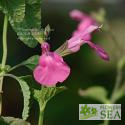
(Rosie O'Grady Mountain Sage) Honeybees and hummingbirds love the large, bright pink flowers of Salvia microphylla 'Rosie O'Grady', a drought-resistant sage. Dense and fragrant, it's large, glossy green leaves are veined and have finely serrated edges. This is a lush choice for dry gardens.
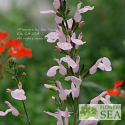
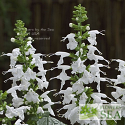
(Summer Jewel White Tropical Sage) Butterflies, hummingbirds and honeybees enjoy this All American 2016 winner, which is an outstanding choice for pure white color from June to autumn. The Summer Jewel varieties of Tropical Sage is generally the first to flower for us.
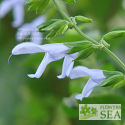
(Elk Argentina Skies Anise-Scented Sage) Developed at FBTS, this new introduction is superior to the old standby, 'Argentina Skies'. Superior growth and earlier flowering make it a must-have choice for hummingbird gardeners.
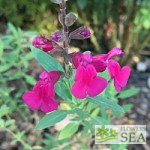
(Windwalker® Desert Rose Sage) Hot pink flowers top glossy, mid-green foliage top Windwalker® Desert Rose Salvia. Due to drought resistance, Salvia x 'Desert Rose' is a great choice for dry gardens. However, this petite beauty also grows well with moderate watering.
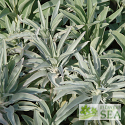
(Compact Sacred White Sage) Salvia apiana var. compacta is significantly shorter than the common species of Sacred White Sage and somewhat more cold tolerant. Its smaller leaves and compact form make it a tidier choice for home gardens with the right kind of growing conditions.
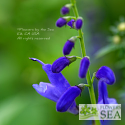
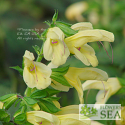
(Shinano-akigiri) Japan's largest island, Honshu, is home to Salvia koyamae, a shade- and moisture-loving herbaceous perennial that is perfect for woodland gardens or shady borders. It is notable for yellow flowers, which bloom from late summer into fall, as well as arrow-shaped foliage.
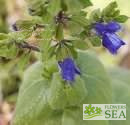
(Little Mexican Sage) This low-growing sage is a shrub in its warmest zones and a perennial in the cooler ones. It's just right for small spaces or tiny gardens. Short and compact, its flowers are similar to but smaller than those of S. mexicana 'Limelight'.
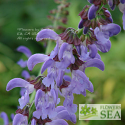
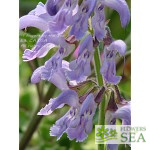
(Red Sage, Chinese Sage, Dan-shen) The bright red, finger-like roots of Salvia miltiorrhiza have a long history in traditional Chinese herbal medicine.
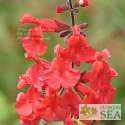
(Scarlet Spires Sage) This is a brilliant cross between the sturdy D'Arcy's Sage (Salvia darcyi) and the beautifully colored 'Raspberry Delight' Littleleaf Sage (Salvia microphylla 'Raspberry Delight').
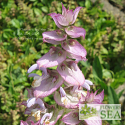
(Clary or Clear Eye Sage or Eyebright) Pink-purple bracts and violet-purple flowers form a pastel cloud over the large, rumpled leaves of Clary Sage in summer. It is a towering beauty growing up to 5 feet tall. Sacred to some due to age-old use in herbal remedies, it is heavenly to look at.
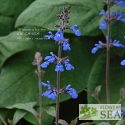
(Sinaloan Blue Sage) It's difficult to say which trait is more attractive about this sage -- the airy spikes of deep, true blue flowers or the fascinating spear-shaped foliage that varies from deep green to purple, forming a tidy mat.
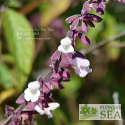
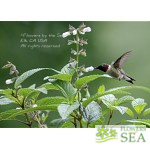
(Waverly Sage) A pale pink to lavender blush adds delicate color to the white flowers of Waverly Sage, which are supported by plum-colored calyxes. Its mid-green leaves are lance shaped and veined.
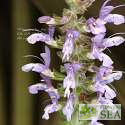
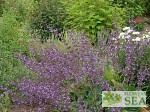
(Balkan Sage) Violet-blue whorls of flowers and plentiful, fuzzy, basal leaves that reach an impressive length of 18 inches are two notable features about this hardy, herbaceous perennial, which is native to the Southeastern Balkan Peninsula.
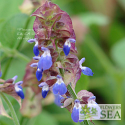
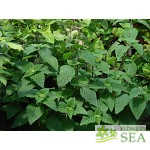
(Rosy Bract Sage) Sub-shrub salvias have both woody and soft, herbaceous growth. Rosy Bract Sage is a tidy, small leafed sub-shrub smothered with large clusters of 1/2-inch, violet-blue flowers and rosy red bracts. Its bracts deepen in color as the season proceeds.
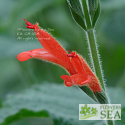
(Tubular Chilean Sage) Foggy days and moderate temperatures are the norm for this low-altitude, coastal mountain sage from northern Chile and Peru. It is grown as much for its handsome foliage as for the deep cranberry of its tiny, tubular flowers.
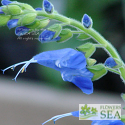
(Creeping Big Leaf Sage) Cobalt blue flowers float in airy clusters above the giant, velvety, green leaves of this South American native. Short and spreading by woody rhizomes, this is an ideal groundcover. As a bold statement in a container, it has no equal.
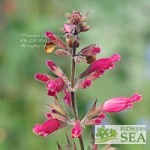
(Gray Roseleaf Sage) The University of California at Berkeley developed this hybrid from Karwinskii's Sage (Salvia karwinskii) and a variety of Roseleaf Sage (Salvia involucrata v. puberula) collected in Mexico by North Carolina nurseryman Richard Dufresne.
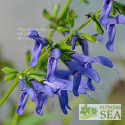
Results for choice from the blog
| Hummingbirds in the Garden |
| 1. A Gardeners Guide to Hummingbird Sage |
| Among the hummers' favorites: Salvia spathacea, commonly known as Hummingbird Sage. As it name suggests, this California native produces the hummingbirds' flower of choice, blooming from late winter through summer -- and sometimes again in Fall -- with rose-pink to magenta blossoms. Available in six varieties, this robust perennial not only attracts hummers with its abundant nectar, it's easy to grow and enhances any landscape with its aromatic blooms and fragrant evergreen foliage. |
| Cultivating Color |
| 2. Pantone Pageant: A Chorus Line of Grayed Jade Designer Salvias |
| Sage is the common name for the uncommonly beautiful Salvia genus. But when designers describe a product as being sage-colored, they mean a shade of gray-green that they say is soothing and that harmonizes with a multitude of colors, including soft pastels, hot oranges and deep purples. A version of sage called "Grayed Jade 14-6011" is one of the Pantone color-matching system's top shades for the design industry this year. This post identifies some Grayed Jade plants in the Flowers by the Sea collection. They are fine peacemakers amid a Salvia garden based on a mixture of Pantone's top greens for 2013, which you can read about in previous articles from our Pantone Pageant series of designer colors in the landscape. |
| Container Gardening |
| 3. A Guide to Successful Potting Soils for Salvias |
| One of the decisions that Salvia gardeners face in spring is what kind of potting mix to use for outdoor container plants. Find answers in FBTS Farm & Online Nursery's guide to successful potting soils for Salvias. |
| Cultivating Color |
| 4. Composing a Symphony of Pastel Salvias Including Elk Rainbow Sages |
| If you want to orchestrate a peaceful symphony in a flowerbed, planting a profusion of pastels is one way to do it. Pastels are lighter hues of bright primary and secondary colors. Although gardeners often visualize bright colors when thinking of Salvias, there are a number of pastels in the genus such as among the Jame Sage Hybrids (Salvia x jamensis spp.), including many in the new Flowers by the Sea Elk Rainbow Series. |
| Getting Started with Salvias |
| 5. Getting Started: Salvias for the Mid-Atlantic |
| Outside of its cities, the Mid-Atlantic can be described as an overwhelmingly green place. If you love the Mid-Atlantic, you revel in its verdant landscape. However, if you aren't reveling in the predictable planting choices you see in neighbor's yards, it may be time to expand your horizons by exploring the Salvia genus. Flowers by the Sea discusses the boundaries, USDA Plant Hardiness Zones and Salvia choices for the region. |
| 6. How to Defend Homes Against Wildfires & Firescape with Salvias |
| Home improvement, including landscaping, involves lots of decisions. This is especially true when modifying your property to protect against wildfires. Flammability is usually the last thought on a gardener's mind when planning what to purchase. But if you live in wildfire country and are a Salvia lover, you may have noticed sages on lists of fire-resistant plants. Read more about wildfire preparedness at FBTS. |
| Hummingbirds in the Garden |
| 7. Hummingbird Falls Sage: Answers to Your Questions |
| Hummingbirds are vital pollinators that need lots of rich nectar to survive and keep gardens blooming. Salvia BODACIOUS 'Hummingbird Falls' is a unique hanging basket plant that is a natural replacement for plastic nectar feeders. |
| 8. In the Native Garden: Colorful California Salvias Plus a Cousin |
| Native plants, including California's many indigenous sages, are like the boys or girls next door who were overlooked until outsiders discovered their good looks and other fine attributes. Flowers by the Sea grows hardy, drought-resistant California Salvias that are native to a broad swath of the West Coast ranging from Northern Baja to Southern Oregon. Many tolerate heat. They are well suited to waterwise landscapes, including dry gardens. |
| New at FBTS |
| 9. New at FBTS: Salvia Amistad and Friendship from Afar |
| Flowers by the Sea is selling "font-style: italic;">Salvia 'Amistad'. It was a mystery sage to University of Buenos Aires agronomy professor Rolando Uria when he encountered it at an Argentinian plant show in 2005. Discovering its extra-long-blooming characteristic along with the intense violet of its large blossoms, he began sharing it with friends and named it Friendship Sage. |
| 10. New Product Filtering Tool Helps You with Decision Making |
| Flowers by the Sea now offers a powerful, do-it-yourself, product-filtering tool that makes plant selection easier and faster. It sets up a matrix of choices to help customers sort possible selections for their gardens based on USDA cold hardiness zones, sun exposure, mature height and spread of plants, soil type and water needs. This article explains how the tool works and provides examples of how to use it. |
| 11. 15 Select Salvias for Dry, Partial-Shade Gardening |
| Learning how to garden in dry shade requires mediation of the needs of all the plants involved. Dry shade is particularly abundant under trees, because they consume lots of water. Fortunately, numerous drought-resistant Salvias can handle life in dry, partial shade. Flowers by the Sea details basic considerations of dry shade gardening and identifies 15 sages for it. |
| Ask Mr. Sage |
| 12. Ask Mr. Sage: What Size Pot Is Best for Transplanting Sages? |
| After your Salvias from Flowers by the Sea arrive, what size pots should you transplant them in for your container garden? The answer depends on the kind of sages you need to transplant. Ask Mr. Sage is a regular feature in our FBTS Everything Salvias Blog that answers customer questions about growing sages and companion plants. |
Common terms in this search: betsy's choice sage life botany have their beautiful mysteries one them aren't certain parentage history tall attractive fast-growing however love its tubular royal purple flowers hummingbirds well some say cross between guaranitica fulgens hint gesnerifolia connection comparing 'jeans passion' others draw comparisons amistad which may possibly related first impression does look like leaves much larger brighter nodes rooting points farther