
Advanced Search
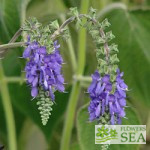
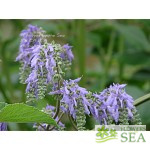
(Nodding Sage) "Dancing in the air" is how garden writer Joseph Tychonievich describes the tall, graceful flower spikes of Nodding Sage, which can tower up to 5 feet tall over the plant's 18-inch-tall foliage during the summer flowering season.
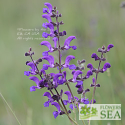
(Siberian Sage) Deep violet flowers surrounded by burgundy bracts form a handsome contrast with the pebbly, mint green foliage of this drought-resistant sage. It comes from the Central Asian steppe, which is similar in climate and geography to America’s high plains.
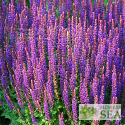
(Burgundy Candles Meadow Sage) When the burgundy buds of Salvia nemorosa 'Burgundy Candles' open, deep violet-blue flowers emerge. They are supported by burgundy and green bracts on purple stems.
Results for describes from the blog
| Culinary Sages |
| 1. Sassy Sage Holiday Cooking |
| Nothing says holidays like the fragrance of sage coming from the kitchen. It has even inspired writers, such as newspaper columnist and mystery novelist Denise Hamilton. Sage is the stuff of musky perfumes, fragrant Christmas candles and great homecooked meals cooking in the kitchen. It wraps us in the warmth as well as the chill of the season. |
| Hummingbirds in the Garden |
| 2. A Gardeners Guide to Hummingbird Sage |
| Among the hummers' favorites: Salvia spathacea, commonly known as Hummingbird Sage. As it name suggests, this California native produces the hummingbirds' flower of choice, blooming from late winter through summer -- and sometimes again in Fall -- with rose-pink to magenta blossoms. Available in six varieties, this robust perennial not only attracts hummers with its abundant nectar, it's easy to grow and enhances any landscape with its aromatic blooms and fragrant evergreen foliage. |
| Container Gardening |
| 3. A Guide to Successful Potting Soils for Salvias |
| One of the decisions that Salvia gardeners face in spring is what kind of potting mix to use for outdoor container plants. Find answers in FBTS Farm & Online Nursery's guide to successful potting soils for Salvias. |
| Hummingbirds in the Garden |
| 4. Annual Salvias that Hummingbirds Adore |
| If a hummingbird could talk, he or she would tell you it's hard work packing for a long journey. Consuming mightily from dawn to dusk, day after day, hummingbirds double their weight before migration. They can't afford to run out of fuel before their next meal. To help hummingbirds, particularly on their northward journey, home gardeners can celebrate the arrival of spring by planting gardens filled with early blooming Salvias and companion plants that are excellent annuals in areas where winters are too chilly for survival as perennials. |
| Book Reviews |
| 5. Book Review: The Plant Lover's Guide to Salvias |
| The Plant Lover's Guide to Salvias by John Whittlesey not only is a lavishly photographed, well-organized resource about the Salvia genus but also a lovely coffee table book that may inspire anyone who opens its pages to spend time in the garden. Whittlesey says his Canyon Creek Nursery in rural Northern California has an "extreme" Mediterranean climate with little rainfall from summer through early autumn when temperatures can reach up to 108 degrees F. |
| Ask Mr. Sage |
| 6. Ask Mr. Sage: How Light and Growing Conditions Affect Flower Color |
| Ask Mr. Sage answers questions based on calls and emails that Flowers by the Sea receives. This one explains the many factors that can cause the color of a plant's flowers to vary from one location to another. The blossom color of Flowers by the Sea plants in your garden may not always exactly match the colors in our photographs. |
| 7. Garden to Kitchen: Holiday Scent of Sage |
| Nothing says holidays like the fragrance of sage coming from the kitchen. It has even inspired writers, such as newspaper columnist and mystery novelist Denise Hamilton. Sage is the stuff of musky perfumes, fragrant Christmas candles and great homecooked meals cooking in the kitchen. It wraps us in the warmth as well as the chill of the season. |
| Getting Started with Salvias |
| 8. Getting Started: Salvias for the Mid-Atlantic |
| Outside of its cities, the Mid-Atlantic can be described as an overwhelmingly green place. If you love the Mid-Atlantic, you revel in its verdant landscape. However, if you aren't reveling in the predictable planting choices you see in neighbor's yards, it may be time to expand your horizons by exploring the Salvia genus. Flowers by the Sea discusses the boundaries, USDA Plant Hardiness Zones and Salvia choices for the region. |
| Cultivating Color |
| 9. Gray and Silver Foliage Lights Up the Landscape Day and Night |
| It isn't easy describing green in the garden. Foliage can span greens so pale they are almost white to blue-greens so deep they murmur the forest primeval. Amid this range, you'll find shimmering silver- and gray-leaf species. To locate these types of Salvias and companion plants in the Flowers by the Sea catalog, please visit our " Gray and Silver Leaf Plants" category in the FBTS catalog menu. This article includes a small sampler of our selection. |
| New at FBTS |
| 10. Himalayan Sage Is the Salvia Collector's Holy Grail: Part 2 |
| Plants don’t have voices but they have stories to tell, including tales of discovery. It’s easy to see why the early 18th century plant explorer Victor Jacquemont would have paused to collect the rare Salvia hians while traversing broad expanses of northwestern India. This second half of our article about the alluring species digs into its history. |
| 11. New at FBTS: Vermilion Bluffs ® Mexican Sage |
| A 'mass of scarlet awesomeness' is one way that Denver Botanic Gardens Senior Curator Panayoti Kelaidis describes Vermilion Bluffs® Mexican Sage (Salvia darcyi 'Pscarl') at his Prairie Break website. Unlike so many Southwestern sages, Vermilion Bluffs is surprisingly cold hardy as well as being drought tolerant. Its common name is taken from the spectacular red bluffs of the Vermillion Basin Wilderness in Northwestern Colorado, an area redolent with the scent of sage on hot days. But the plant is native to the Nuevo Leon area of Mexico's eastern Sierra Madre Occidental mountains. The story of how its parent plant arrived at Denver Botanic Gardens (DBG) and, eventually, at Flowers by the Sea is one of diaspora. |
| Portraits in Gardening |
| 12. Portraits in Gardening: Michael and Kathi Rock's Hummingbird Journey |
| A wedding gift led to Kathi Johnson Rock and Michael Rock's passion for hummingbirds. These Wisconsin birders offer tips and plant suggestions for hummingbird gardeners at FBTS. Although now known as Madison's "Hummingbird People," the Rocks aren't ornithologists or biologists. They are home gardeners and customers of Flowers by the Sea. This article includes a list of favorite hummingbird plants found in the Rocks' gardens. |
Common terms in this search: nodding sage dancing air how garden writer joseph tychonievich describes tall graceful flower spikes which can tower feet over plant's -inch-tall foliage during summer flowering season these slow growing often take year become established before blooming it's wonder one sage's many botanical synonyms pendula considering way branches curve their tips purple flowers dangling like bunches grapes says his arrowhead alpines