
Advanced Search
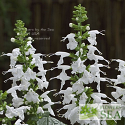
(Summer Jewel White Tropical Sage) Butterflies, hummingbirds and honeybees enjoy this All American 2016 winner, which is an outstanding choice for pure white color from June to autumn. The Summer Jewel varieties of Tropical Sage is generally the first to flower for us.
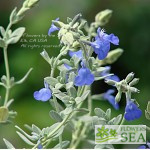
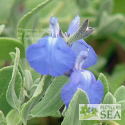
(Silver Germander Sage) With its compact habit, brilliant silver-white leaves and large, sky blue flowers, this is an outstanding heat-tolerant choice for dry, sunny gardens. We consider this to be one of the finest short ground covers for these conditions.
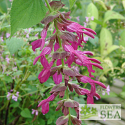
(Gravid Sage) This tender perennial from Michoacan, Mexico, has large, rich magenta flowers that hang from the arching branches in clusters up to 12 inches long. Growing up to 5 feet tall, this sage offers an unforgettable display when in bloom.
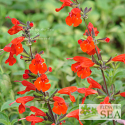
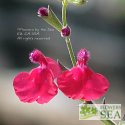
(Summer Jewel Red Tropical Sage) Butterflies, hummingbirds and honeybees enjoy this Fleuroselect Gold Medal winner, which is an outstanding choice for bright red color from June to autumn. This type of Tropical Sage is generally the first to flower for us.
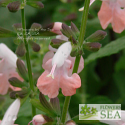
(Coral Nymph Tropical Sage) What a cutie! This award-winning cultivar of Tropical Sage is short and compact yet has a multitude of pastel salmon flowers larger than those of its bigger cousins. It is perfect for annual flower beds or patio containers.
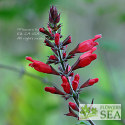
(Mister Jules Hybrid Sage) Long, dark, velvety stems contrast dramatically with the deep red flowers of this hybrid, spreading sage from the University of California, Santa Cruz, Arboretum. The parent plants are Mexican Winter Sage (S. holwayi) -- a superior, spreading groundcover or sprawling shrub -- and Cardinal Sage (S. fulgens), which is an upright shrub with large, deep red flowers.
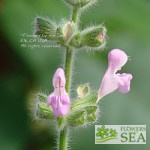
(Turkish Cliff Sage) Spring into early summer, Turkish Cliff Sage produces erect, branching flower spikes 24 to 36 inches long that rise from basal foliage. They’re covered with whorls of pale pink blossoms with delicate white markings.
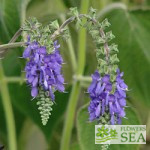
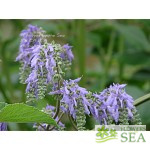
(Nodding Sage) "Dancing in the air" is how garden writer Joseph Tychonievich describes the tall, graceful flower spikes of Nodding Sage, which can tower up to 5 feet tall over the plant's 18-inch-tall foliage during the summer flowering season.
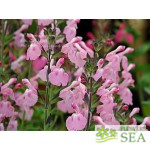
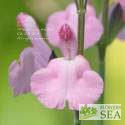
(Elk Cotton Candy Jame Sage) Rosy hairs on the upper lip and pale white throats highlight the translucent, blush pink blossoms of Elk Cotton Candy Jame Sage. Dark, deeply contrasting calyxes support the medium-size flowers.
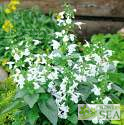
(Snow Nymph White Tropical Sage) Butterflies, hummingbirds and honeybees enjoy this award winner, which is an outstanding choice for pure white color from June to autumn. This type of Tropical Sage is generally the first to flower for us.
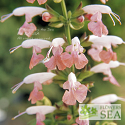
(Summer Jewel Pink Tropical Sage) Butterflies, hummingbirds and honeybees enjoy this Fleuroselect Gold Medal winner, which is an outstanding choice for bright pink & white color from June to autumn. This type of Tropical Sage is generally the first to flower for us.
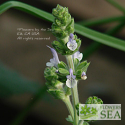
(Strong Spanish Sage) Fuzzy green stems and bracts mature to burgundy on this lovely, lavender flowered sage that roughly doubles in height when blooming. Salvia valentina is a variety of the European native S. nemorosa, a Meadow Sage.
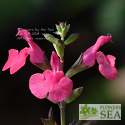
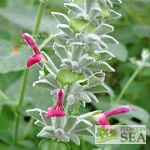
(White Headed Sage) One of the most visually stunning members of the genus, this large growing, tender, winter blooming species from the mountains of Ecuador will turn every head with its furry white calyxes and brilliant magenta red flowers.
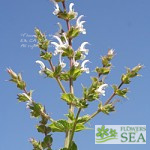
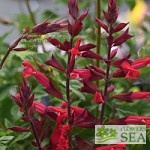
(Roman Red Sage) This handsome, long blooming hybrid sage features a dramatic combination of scarlet flowers and deep rust-to-merlot calyxes. Deadheading spent blossoms prolongs bloom time.
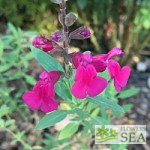
(Windwalker® Desert Rose Sage) Hot pink flowers top glossy, mid-green foliage top Windwalker® Desert Rose Salvia. Due to drought resistance, Salvia x 'Desert Rose' is a great choice for dry gardens. However, this petite beauty also grows well with moderate watering.
The following terms were added to your search to help improve the result. Click here to exclude these extra terms from the search.
- consider
Results for considering from the blog
| Getting Started with Salvias |
| 1. Getting Started: Salvias for the Mid-Atlantic |
| Outside of its cities, the Mid-Atlantic can be described as an overwhelmingly green place. If you love the Mid-Atlantic, you revel in its verdant landscape. However, if you aren't reveling in the predictable planting choices you see in neighbor's yards, it may be time to expand your horizons by exploring the Salvia genus. Flowers by the Sea discusses the boundaries, USDA Plant Hardiness Zones and Salvia choices for the region. |
| 2. Getting Started: Salvias for Zone 9 |
| California's small, Mohave Desert city of Barstow averages about 5 inches of rain annually. Across the continent, Pensacola, Florida, has more than double Barstow's population and more than 12 times its amount of rainfall. Yet both cities are part of the U.S. Department of Agriculture's Plant Hardiness Zone 9 where you can plant perennials and shrubs that survive winter lows ranging from 20 to 30 degrees F. Flowers by the Sea takes readers on a triple coast road trip of Zone 9 and suggests plantings for varied growing conditions along the way. |
| 3. 15 Select Salvias for Dry, Partial-Shade Gardening |
| Learning how to garden in dry shade requires mediation of the needs of all the plants involved. Dry shade is particularly abundant under trees, because they consume lots of water. Fortunately, numerous drought-resistant Salvias can handle life in dry, partial shade. Flowers by the Sea details basic considerations of dry shade gardening and identifies 15 sages for it. |
| Container Gardening |
| 4. A Guide to Successful Potting Soils for Salvias |
| One of the decisions that Salvia gardeners face in spring is what kind of potting mix to use for outdoor container plants. Find answers in FBTS Farm & Online Nursery's guide to successful potting soils for Salvias. |
| Ask Mr. Sage |
| 5. Ask Mr. Sage: What Tropical Sage Should I Select? |
| Selecting the right types of Tropical Sage ( Salvia coccinea ) can be confusing when viewing them in a catalog and seeing similar flower colors. Yet they may differ in cultivation needs, foliage, heat tolerance, and size. Mr. Sage offers ideas for comparing differences and similarities. Ask Mr. Sage is a regular feature of the FBTS Everything Salvias Blog , which responds to questions from customers. |
| 6. Ask Mr. Sage: How Should I Space Salvias When Planting |
| By spacing Salvias properly when planting, you avoid problems caused either by overcrowding or leaving too much space around individual plants. Most Salvias are healthier with good air circulation. Crowding leads to the spread of fungal diseases and pests, such as spider mites. Too wide of spacing may cause branches to break in high winds. By paying attention to plant measurements before planting, you can create a good spacing plan. Ask Mr. Sage is a Q&A feature based on topics raised in calls and emails to FBTS. |
| Hummingbirds in the Garden |
| 7. Hummingbirds in the Garden: Attracting Hummingbirds to Your Garden |
| Planting a hummingbird garden filled with nectar-rich, long-blooming Salvias aids preservation of hummingbird species that migrate each year throughout North America. It also gives you a front-row seat to a fascinating aerobatics show. Backyard islands of colorful sages are like gas stations for hummingbirds' long-distance journeys. Salvias can keep your garden whirring with the helicopter-like flight of hummingbirds from spring through autumn and -- in warm climates -- into winter. |
| Book Reviews |
| 8. Book Review: Stop. . .and Smell the Mints |
| Randy Collins was surprised when he got hooked on horticulture following retirement. But after a move to South Carolina, he was even more surprised at how deer destroyed his gardens until he began growing lots of mint family ( Lamiaceae ) plants like Salvias. It inspired him to write Stop...and Smell the Mints . |
| Container Gardening |
| 9. Container Gardening Basics: Selecting and Arranging Pots |
| Assembling a new planter with fresh potting soil and young plants is a feel-good activity similar to moving into a new home. Each pot and property is full of promise. Placing a single plant or a grouping in the right size of pot is like selecting a starter home for it that will encourage healthy growth. The type of material a pot is made from also affects development. Flowers by the Sea Online Salvia Nursery explains how to choose correct pot sizes as well as pot styles, sizes, colors and arrangements. Don't miss The Flowerpot Men music video! |
| 10. Fall Planting: Tips for Salvia Success |
| For people and for plants, cool fall weather is comfortable for working in the garden. As gardeners dig, amend soil, weed and water, newly planted perennials focus their efforts on growing strong root systems before the chill of winter. Most perennial sages ( Salvia spp.) thrive if planted in fall. As temperatures decline, the soil remains warm. These conditions cause plants to decrease their growth above ground and focus on root expansion. Here are some tips about why and how you can succeed in the Salvia garden by planting during autumn. |
| Getting Started with Salvias |
| 11. Getting Started: Salvias for the Midwest |
| Severe winter chill and summer heat coupled with extreme humidity are challenges that gardeners face in the Midwest. Many Salvias are excellent choices as long-blooming annuals in the region while others -- ones that can withstand cold winters -- are reliable perennials. Flowers by the Sea Online Plant Nursery explains the confusing Midwest boundaries from Ohio west to Kansas and North Dakota south to Missouri. It talks about the range of USDA Plant Hardiness Zones in the region and the kinds of sages that grow best there. |
| 12. Getting Started: Salvias for the Rocky Mountain West |
| High altitude, distance from large bodies of water and powerful chinook winds make the Rocky Mountain West a dry gardening environment even in years of higher than average rain and snow. The region's steep mountains have a major impact on where and how precipitation falls. Instead of a single mountain chain, the Rocky Mountains are made up of 100 separate ranges. Similarly, the Salvia genus contains a broad range of sages, many of which thrive in the climactic extremes of the Mountain West. |
Common terms in this search: wild rose lemmon's sage botanists sarah allen plummer lemmon john gill collected lemmonii sky islands southeastern arizona while honeymooning contemporary seed collector found variety growing new mexico flower colors vary from pink red one creamy cri closely related more common mountain microphylla best our knowledge species endemic huachuca mountains however aromatic highly drought tolerant shrub can also rocky canyons northern