
Advanced Search
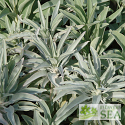
(Sacred White Sage) Bees, hummingbirds and spiritual blessings are all connected to Salvia apiana, an elegant shrubby sage that is an important herb to indigenous Californians. It deserves a place in salvia gardens that can meet its demands. Stiff and almost fleshy, its leaves are tight rosettes of brilliant, silvery green that is almost white.
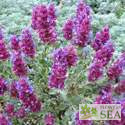
(Giant Purple Desert Sage) It’s best to plant this flamboyant native of the Southwest in spring or summer. However, once established, it tolerates winters from USDA Zones 5 to 9. Purple tubular flowers and burgundy bracts flare up its 10-inch flower spikes like flames on this softly rounded shrub.
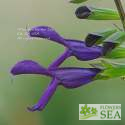
(Betsy's Choice Sage) Life and botany have their beautiful mysteries. Betsy's Choice Sage is one of them. We aren't certain of the parentage or history of this tall, attractive, fast-growing sage. However, we are certain that we love its long, royal purple flowers. Hummingbirds do as well.
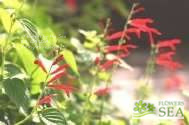
(Tangerine Pineapple Sage) This citrus-scented cultivar is our smallest variety of Pineapple Sage. Worth growing just for the exotic scent of its leaves, this culinary sage is also one of the longest blooming plants in its species.
(Pink Beach Autumn Sage) When it blooms from spring into fall, this heat- and chill-tolerant sage is covered with large, two-tone pink flowers that attract butterflies, honeybees and hummingbirds. This compact, drought-tolerant beauty also features small, shiny, bright green leaves.
(Temascaltepec Sage) In full bloom, which is all year in mild climates, this mid-sized Salvia has far more flowers than foliage. Each 1/2-inch-long, bright pink bloom has two dark pink/purple spots and a pair of white stripes. The small, slightly furry leaves add to its soft, pleasing look.
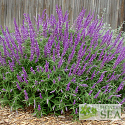
(Santa Barbara Mexican Bush Sage) This compact Mexican Bush Sage was found in the Santa Barbara garden of Kathiann Brown. It is, without a doubt, the finest short Mexican Bush Sage -- hardy, tough and long blooming. Add drought tolerance and dark, rich purple flowers to its list of merits.

(Anatolian Cushion Sage) Rising up only 6 to 8 inches, this is a pixie-sized sage that loves gritty soils. It is perfect for dry gardens with gritty soils in USDA Zones 5 to 9. In fact, it seems to love the colder zones best. We think it is particularly fond of frozen ground in winter, because that helps keep its roots from getting too damp.
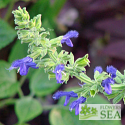
('Blue Seniorita' Mexican Sage) Smallish rich cobalt blue flowers come in large clusters on this unusually strong growing shrub. From late summer through fall you and the hummingbirds will be delighted with this rare variety.
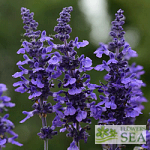
(Mysty Sage) Salvia x ‘Mysty’ is a dwarf version of Mystic Spires Sage and is a dramatic border plant with dark green, corrugated leaves and long blooming flower spikes abundant with deep, violet-blue blossoms.
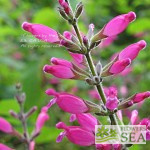
(Roseleaf Sage) A glorious bloomer, Roseleaf Sage starts producing hot pink blossoms in late summer and continues into spring -- growing more spectacular every day -- unless cut down to the ground by hard frost.
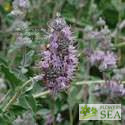
(Bee's Bliss Sage) If you are looking for a California native sage to use as a groundcover, Bee's Bliss is a fine choice. Low-growing, widespreading and colorful, it is ideal for choking weeds.
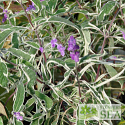
(Variegated Mexican Bush Sage) Although slow growing and somewhat finicky, this sage is a must-have for lovers of unique foliage. It has small purple flowers and highly variegated leaves with stems that are slightly twisted. The overall look is compact and dense.
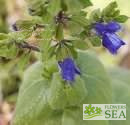
(Little Mexican Sage) This low-growing sage is a shrub in its warmest zones and a perennial in the cooler ones. It's just right for small spaces or tiny gardens. Short and compact, its flowers are similar to but smaller than those of S. mexicana 'Limelight'.
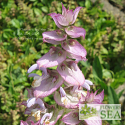
(Clary or Clear Eye Sage or Eyebright) Pink-purple bracts and violet-purple flowers form a pastel cloud over the large, rumpled leaves of Clary Sage in summer. It is a towering beauty growing up to 5 feet tall. Sacred to some due to age-old use in herbal remedies, it is heavenly to look at.
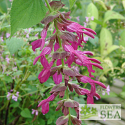
(Gravid Sage) This tender perennial from Michoacan, Mexico, has large, rich magenta flowers that hang from the arching branches in clusters up to 12 inches long. Growing up to 5 feet tall, this sage offers an unforgettable display when in bloom.

(Hidalgo Roseleaf Sage) The earliest flowering, hardiest and strongest growing cultivar of its species, Hidalgo Roseleaf Sage starts blooming in June on the Northern California coast. It continues, and becomes more spectacular every day, until cut down by hard frost. In our mild climate, it never stops blooming some years.
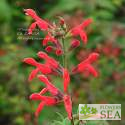
(Cardinal Sage) Aptly named for its cardinal red, 2-inch-long flowers that glisten in the autumn sun, this full-sun sage blooms from fall into winter. Hummingbirds love it, but deer resist its charms. Growing up to 5 feet tall, it makes a fine herbaceous border plant or shrubby screen.
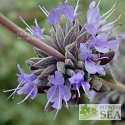
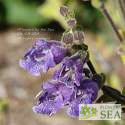
(Dan-shen Gansu) Growing into a large basal rosette of leaves measuring up to 3 feet across, Salvia przewalskii var. mandarinorum is known for its handsome foliage.
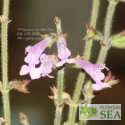
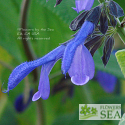
(Ocampo Mexican Sage) Growing from 7 to 10 feet tall each year, this is the largest of our Mexican Sages. Yet due to its erect form, this sage only spreads 36 inches. It has large, deep violet flowers with almost black calyxes that rise up on tall spikes and dark green, heavily veined foliage.
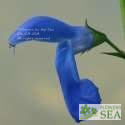
(Giant Gentian Sage) "Wow!" is what most people say when they see this large Gentian Sage from Central Mexico. Growing to 4 feet tall, it has long, graceful spikes of 3-inch deep, royal blue flowers that are highly visible and easily accessible to hummingbirds.
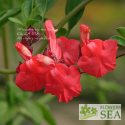
(Big Orange Autumn Sage) Standout color is the big draw for this large growing Autumn Sage. Collected in the mountains of Northern Mexico, it grows well in a wide range of climates, including the hot dry Southwest and the cool moist Pacific Northwest. A difficult color to capture in a photo, it is well described as a warm orange with a scarlet overlay.
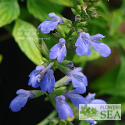
(Arizona Blue Sage) We are so impressed with this top-performing, drought-resistant ground cover that we have rated it best of class. Arizona Blue Sage is adaptable to a variety of shady conditions and blossoms so abundantly that it seems to have as many rich blue flowers as it has leaves. It is native to dry, shaded areas in mountain canyons in Arizona, New Mexico and Texas.
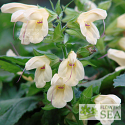
(Kyushu Woodland Sage) We are in love with this short forest sage from Kyushu, Japan. Its clusters of large creamy flowers pale as fresh-churned butter begin blooming in September. Even when not blooming, its foliage is showy in a shady garden.
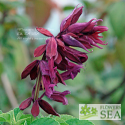
(Sao Borja Scarlet Sage) Three-inch-long, smokey purple blossoms that bloom from spring to fall are a major clue that this heat-tolerant perennial is not your grandmother's Scarlet Sage.
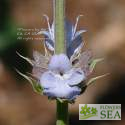
(Starlight Sage) Add sparkle to your dry garden with the pale pastel flowers of this hybrid of two Southern California native plants often seen growing together in the wild — Black Sage (Salvia mellifera) and White Sage (Salvia apiana). Salvia x 'Starlight' is a shrub that blooms early and long, attracting honeybees but not deer.
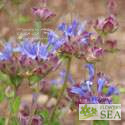
(Celestial Blue Sage) Fast growing and adaptable, this sage is a chance hybrid between Cleveland Sage (Salvia clevelandii) -- also called California Blue Sage -- and California Rose Sage (Salvia pachyphylla). It may also be related to California Purple Sage (Salvia leucophylla).
Results for growing from the blog
| Sacred Sages |
| 1. A Guide to Growing and Respecting Sacred White Sage |
| White Sage (Salvia apiana) is a sacred plant for Native Americans, especially tribes in its Southern California native lands. It's a challenging plant to grow. Flowers by the Sea Farm and Nursery talks about the history and religious use of Salvia apiana as well as providing a guide to growing it. |
| 2. About our Farm: Growing Sage by the Sea |
| Flowers by the Sea (FBTS) is a small, family farm that raises hundreds of species of Salvia and companion plants, including Plectranthus. We are proud of our beautiful plants, excellent customer service and 100 percent guarantee of satisfaction. |
| Salvia Small Talk |
| 3. Salvia Small Talk: Deadheading Herbaceous Rosette-Growing Salvias |
| Deadheading flowers is usually a light form of pruning in late spring and summer. But some rosette-forming herbaceous Salvias like meadow sages need heavier pruning during the growing season to look tidy and bloom more than once. |
| Butterflies in the Garden |
| 4. Growing Habitat: Three Tough Milkweeds to Help Monarchs |
| Flowers by the Sea Farm and Online Plant Nursery is serious about wildlife gardening and grows a number of milkweed species considered among the best for supporting Monarch butterflies. Three of the nursery's toughest, loveliest milkweeds are Indian Milkweed (Asclepias eriocarpa), Showy Milkweed (Asclepias speciosa) and Common Milkweed (Asclepias syriaca). Read about the history of milkweeds and the reasons why Monarch butterflies are threatened due to a shortage of these tough yet lovely plants caused by herbicides. Learn how herbicides and pesticides harm Monarchs and other milkweed-loving pollinators. |
| Ask Mr. Sage |
| 5. Ask Mr. Sage: How Light and Growing Conditions Affect Flower Color |
| Ask Mr. Sage answers questions based on calls and emails that Flowers by the Sea receives. This one explains the many factors that can cause the color of a plant's flowers to vary from one location to another. The blossom color of Flowers by the Sea plants in your garden may not always exactly match the colors in our photographs. |
| 6. Guide to Understanding & Using Fertilizer |
| Identifying the kind of fertilizer your flowers need can be a trial-and-error experience. This is especially true if you are growing plants that don’t thrive in fertile soils like loam. Flowers by the Sea Online Nursery hopes to clear up some of the confusion in this Guide to Understanding and Using Fertilizer . |
| Ask Mr. Sage |
| 7. Ask Mr. Sage: How Should I Prune my Salvias? |
| Flowers by the Sea Online Nursery specializes in Salvias and often receives questions about how to prune them. Although getting good at pruning takes practice, Salvias rebound quickly if you make mistakes. A key to successful pruning is understanding the varying needs of four main categories of sages. Ask Mr. Sage is a regular feature of the FBTS Everything Salvias Blog. |
| Hummingbirds in the Garden |
| 8. Guide to Fuchsia Cultivation & History |
| Like tiny dancers dressed in fancy skirts, Fuchsia flowers dangle from upright shrubs in long blooming hedges and from trailing branches in hanging baskets. Fuchsias are hummingbird favorites that come in many rosy colors. Read about them in the FBTS Guide to Fuchsia Cultivation & History . |
| 9. Fall Cleanup: Plant Placement and Pesky Problems |
| You don’t usually have to fuss over Salvias to give them what they need. Yet the end of fall and other growing seasons are good times to seek solutions to problems that affect plant vigor. It is a time for a call to attention as well as a cleanup call to action. |
| Getting Started with Salvias |
| 10. Getting Started: Salvias for Zone 9 |
| California's small, Mohave Desert city of Barstow averages about 5 inches of rain annually. Across the continent, Pensacola, Florida, has more than double Barstow's population and more than 12 times its amount of rainfall. Yet both cities are part of the U.S. Department of Agriculture's Plant Hardiness Zone 9 where you can plant perennials and shrubs that survive winter lows ranging from 20 to 30 degrees F. Flowers by the Sea takes readers on a triple coast road trip of Zone 9 and suggests plantings for varied growing conditions along the way. |
| Sacred Sages |
| 11. Sacred Sage: Giant Bolivian Sage |
| Of all the mint family's more than 6,500 species worldwide, Giant Bolivian Sage (Salvia dombeyi) has the longest blossoms and tallest growth. Each tubular crimson flower grows up to 5 inches long and has a burgundy calyx at its base.The plant's bright green, heart-shaped leaves are equally long. In South America, the flowers are pollinated by hummingbirds with extremely long beaks. However, Giant Bolivian Sage don't need pollination to flower beautifully for many seasons if growing conditions are right. |
| Portraits in Gardening |
| 12. Portraits in Gardening: Michael Kampf |
| Portraits in Gardening is a new blog series from Flowers by the Sea that profiles customers who are passionate about the Salvia genus. This post features Illinois gardener Michael Kampf who has succeeded in growing many kinds of Salvias despite the frigid winters and fiercely hot summers of the Chicago area. He began gardening when 6 years old with encouragement from his mother and fell in love with Salvias at age 12. |
Common terms in this search: sacred white sage bees hummingbirds spiritual blessings all connected apiana elegant shrubby important herb indigenous californians deserves place insalvia gardens can meet its demands stiff almost fleshy leaves tight rosettes brilliant silvery green flower spikes soar above foliage hundreds small white-to-lavender flowers one most sources pollen nectar pollinators along southern california's coast mountains valleys also source native american smudge sticks