
Advanced Search
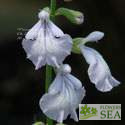
(Heart Leaf Sage) From the rich plains of Northern Argentina comes this delicate looking sage with heart-shaped leaves and pale blue flowers so perfect they seem to be molded in wax. Although a slow grower that requires good garden culture, this Salvia is exquisite.
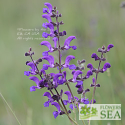
(Siberian Sage) Deep violet flowers surrounded by burgundy bracts form a handsome contrast with the pebbly, mint green foliage of this drought-resistant sage. It comes from the Central Asian steppe, which is similar in climate and geography to America’s high plains.
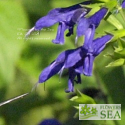
(Sapphire Blue Anise-Scented Sage) The large, sapphire blue flowers of this Anise-Scented Sage glow in the full-sun or partial-shade garden from summer into fall. Similar to Salvia guaranitica 'Blue Ensign', this is a somewhat taller variety of the water-loving species.
The following terms were added to your search to help improve the result. Click here to exclude these extra terms from the search.
- plains, plain
Results for Plains from the blog
| 1. Texas and Southwestern Native Plants for Butterflies, Honeybees and Hummingbirds |
| Many gardeners and wildlife lovers in states with recurrent drought choose to increase the number of native plants in their yards. This is especially true of Texas, where statewide drought began in 2010 and hasn't yet abated. Native plants appeal to local wildlife, including pollinators. To help gardeners from Texas and the Southwest who want to create wildlife habitat, Flowers by the Sea (FBTS) suggests Salvias appropriate for Texas and Southwest gardens. |
| Book Reviews |
| 2. Book Reviews: Three Top Reads for Dry Gardening |
| Don’t think “drab” when you hear the phrase “dry garden.” With guidance from good books and a willingness to experiment, you can create colorful flowerbeds and landscapes that require little to no supplemental watering. Here is a quick overview of three books that are excellent resources about sustainable dry gardening. |
| Ask Mr. Sage |
| 3. Ask Mr. Sage: Where Can You Grow Agastache? |
| Hummingbirds love Agastache. Mr. Sage explains that just because one kind of Agastache is wrong for your climate, it doesn't mean they all are and that the genus is native to most of the United States. Ask Mr. Sage is a regular feature in our Everything Salvias Blog that answers customer questions. |
| 4. Ask Mr. Sage: How to Select Plants for Garden Triumph |
| Planning for Salvia garden success requires following the rule of selecting the right plant for the right place. Desert sages aren't appropriate for the damp Southeast. Moisture-loving ones aren't right for desert climates where they need lots of watering to survive. Flowers by the Sea Farm and Online Nursery offers tips for selecting plants based on local climate. Ask Mr. Sage is a regular feature of the FBTS Everything Salvias Blog. |
| Xeric Choices |
| 5. Colorful Salvias Break Myth of Dry Garden Drabness |
| Dry gardens are flowerbeds or entire landscapes based on ornamental perennials that require little to no watering once well rooted. Many Salvias are excellent, drought-resistant choices for these gardens. Flowers by the Sea Farm and Online Nursery talks about dry garden myths as well as low-water plants. |
| 6. Fall Cleanup: Plant Placement and Pesky Problems |
| You don’t usually have to fuss over Salvias to give them what they need. Yet the end of fall and other growing seasons are good times to seek solutions to problems that affect plant vigor. It is a time for a call to attention as well as a cleanup call to action. |
| Getting Started with Salvias |
| 7. Getting Started: How Much Sun Salvias Need |
| Answering the question of how much sunlight Salvias need is dependent on the lands and conditions in which they originated. Also called true sages, Salvias may range from full sun to full shade species. But many prefer a combination of sun and shade. Flowers by the Sea is an online, mail-order nursery where you can buy hundreds of different sages. |
| 8. Getting Started: Salvias for the Midwest |
| Severe winter chill and summer heat coupled with extreme humidity are challenges that gardeners face in the Midwest. Many Salvias are excellent choices as long-blooming annuals in the region while others -- ones that can withstand cold winters -- are reliable perennials. Flowers by the Sea Online Plant Nursery explains the confusing Midwest boundaries from Ohio west to Kansas and North Dakota south to Missouri. It talks about the range of USDA Plant Hardiness Zones in the region and the kinds of sages that grow best there. |
| 9. Getting Started: Salvias for the Rocky Mountain West |
| High altitude, distance from large bodies of water and powerful chinook winds make the Rocky Mountain West a dry gardening environment even in years of higher than average rain and snow. The region's steep mountains have a major impact on where and how precipitation falls. Instead of a single mountain chain, the Rocky Mountains are made up of 100 separate ranges. Similarly, the Salvia genus contains a broad range of sages, many of which thrive in the climactic extremes of the Mountain West. |
| Cultivating Color |
| 10. Gray and Silver Foliage Lights Up the Landscape Day and Night |
| It isn't easy describing green in the garden. Foliage can span greens so pale they are almost white to blue-greens so deep they murmur the forest primeval. Amid this range, you'll find shimmering silver- and gray-leaf species. To locate these types of Salvias and companion plants in the Flowers by the Sea catalog, please visit our " Gray and Silver Leaf Plants" category in the FBTS catalog menu. This article includes a small sampler of our selection. |
| Sacred Sages |
| 11. A Guide to Growing and Respecting Sacred White Sage |
| White Sage (Salvia apiana) is a sacred plant for Native Americans, especially tribes in its Southern California native lands. It's a challenging plant to grow. Flowers by the Sea Farm and Nursery talks about the history and religious use of Salvia apiana as well as providing a guide to growing it. |
| New at FBTS |
| 12. New at FBTS: Salvia x 'Ultra Violet' Defies Heat and Cold |
| In the Rocky Mountain West, conditions can swing from hellishly hot, dry summers to freezing cold winters. Many Southwestern Salvias are ideal for the sunbaked summers but have trouble surviving chilly Zone 5 winters. So we appreciate the cold hardiness as well as the drought resistance of one of our newest hybrid cultivars, Ultra Violet Hybrid Sage ( Salvia lycioides x greggii ‘Ultra Violet’). |
Common terms in this search: heart leaf sage from rich plains northern argentina comes delicate looking heart-shaped leaves pale blue flowers perfect they seem molded wax although slow grower requires good garden culture exquisite needs fertile soil humus well drained grows ground container site warm sunny spot where can receive partial shade reflected heat water fertilize patient seems take year more settle become robust then