
Advanced Search
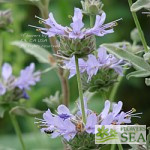
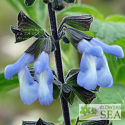
(Confused Argentine Sage) Similar in many ways to the indispensable garden favorites of the Anise Scented Sage (Salvia guaranitica spp.) group, this plant is a perfect companion for its better known cousin.
(Recurved Sage) At home in the shady, high-altitude cloud forests of Southern Mexico and Guatemala, this large, lush sage requires a warm, moist climate. In cool climates, it can handle full sun. However, partial shade is a better choice in most gardens.
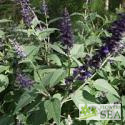
(Anthony Parker Bush Sage) Floriferous spikes of dark blue to purple flowers bloom midsummer to fall on this tidy, mid-height subshrub that grows as wide as it is tall.
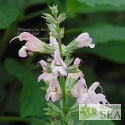
(Dandelion Leaf Sage) Brush or bruise the basal foliage of this Moroccan Salvia and it exudes a citrusy fragrance. Petite and heat tolerant, this is a sturdy, adaptable groundcover.

(Autumn Purple Sage) Small but numerous, the flowers of this sage are a variable shade of light purple that is unlike any other we grow. Native to Southern Mexico and Guatemala, this shrub regularly grows up to 5 feet tall (or taller) and 4 feet wide.
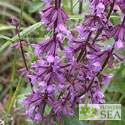
(Judean Sage) Native to the mountains of Judea in Israel, this dark violet flowered, perennial sage is unique among the Palestinian Salvias - as a woodland native it grows well in partial shade. It is a tough, drought-resistant plant with deeply cut & hairy foliage which forms impressive mounds of color in the spring and early summer.
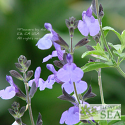
(Elk Blue Moon II Jame Sage) The phrase "blue moon" signifies a rare event. Elk Blue Moon Jame Sage is an unusual combination for a Salvia x jamensis hybrid -- dusky violet flowers with pale-blue throats, dark blue calyxes and mid-green foliage.
Note: This is a new (2014) cultivar that we chose to replace the original 'Elk Blue Moon'. It is a superior grower, and otherwise very similar.
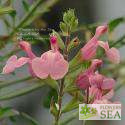
(Elk Twilight's Rosy Glow Jame Sage) Rosy red hairs accentuate the upper lip of each dusky, salmon-pink blossom of this cheery Jame Sage. The flowers are tiny but abundant and are supported by bright green calyxes.
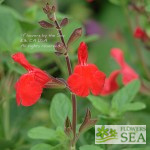
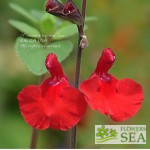
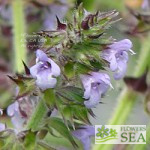
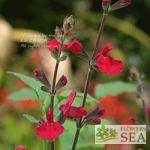
(Elk Crimson Spires Sage) Dark, dusky red stems and calyxes add to the drama of large scarlet flowers and lively green foliage in our FBTS hybrid, Salvia x ‘Elk Crimson Spires’.
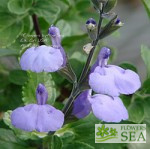
(Elk Blue Moon III Jame Sage) Dark calyxes cup dusky blue flowers that age to lavender and rise up from the veined, mid-green foliage of Salvia x ‘Elk Blue Moon III’.
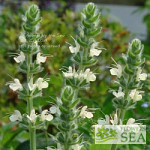
(Austrian Sage) Tall spikes of large, pale yellow flowers rise up from Salvia austriaca’s basal rosette of impressively large leaves. Deeply lobed, like the edges of a lacy collar, the leaves are broader and longer than those of any Salvia we have ever grown.
Results for better from the blog
| Container Gardening |
| 1. A Guide to Successful Potting Soils for Salvias |
| One of the decisions that Salvia gardeners face in spring is what kind of potting mix to use for outdoor container plants. Find answers in FBTS Farm & Online Nursery's guide to successful potting soils for Salvias. |
| Ask Mr. Sage |
| 2. Ask Mr. Sage: What Size Pot Is Best for Transplanting Sages? |
| After your Salvias from Flowers by the Sea arrive, what size pots should you transplant them in for your container garden? The answer depends on the kind of sages you need to transplant. Ask Mr. Sage is a regular feature in our FBTS Everything Salvias Blog that answers customer questions about growing sages and companion plants. |
| 3. Ask Mr. Sage: First-Aid for Salvia Frost Damage |
| Harsh winter weather in areas that normally have mild conditions can bring unwelcome surprises, including the death of favorite plants. This article talks about how and when to remediate frost damage to favorite Salvias in warmer USDA Cold Hardiness Zones. It concludes with a sidebar about a harmful cold snap in California's Bay Area that killed plants as well as birds in 1972 and which changed planting choices at the University of California Botanical Garden at Berkeley. Ask Mr. Sage is a regular feature that is based on topics raised in calls and emails we receive at Flowers by the Sea. |
| Container Gardening |
| 4. Container Gardening Basics: Selecting and Arranging Pots |
| Assembling a new planter with fresh potting soil and young plants is a feel-good activity similar to moving into a new home. Each pot and property is full of promise. Placing a single plant or a grouping in the right size of pot is like selecting a starter home for it that will encourage healthy growth. The type of material a pot is made from also affects development. Flowers by the Sea Online Salvia Nursery explains how to choose correct pot sizes as well as pot styles, sizes, colors and arrangements. Don't miss The Flowerpot Men music video! |
| Sage Experts |
| 5. Sage Experts: Nancy Newfield, Hummingbird Gardener, Part II |
| Salvias are among the best hummingbird flowers and red is tops. That's what hummingbird researcher, Nancy L. Newfield began discovering more than 40 years ago. She found that flower nectar was more attractive than nectar feeders. This is the second article in a 3-part series on Newfield and hummingbird gardening. It includes an excerpt from her book Hummingbird Gardens and an FBTS list of red hummingbird favorites. Bud Hensley photographed the hummingbird pictured here enjoying Salvia subrotunda. |
| 6. Sage Experts: Richard & Bracey Tiede Nurture Salvias & Community |
| Love of gardening is partly about love of nurturance. Some gardeners nurture far more than their home landscapes; that's the case with Silicon Valley retirees Richard and Bracey Tiede. Through avid volunteerism in organizations such as the Master Gardeners of Santa Clara County, Western Horticultural Society and Pacific Horticulture Society, they are helping to popularize drought-tolerant Salvias and shape sustainable gardening practices in the West -- a part of the country constantly facing drought. |
| 7. 15 Select Salvias for Dry, Partial-Shade Gardening |
| Learning how to garden in dry shade requires mediation of the needs of all the plants involved. Dry shade is particularly abundant under trees, because they consume lots of water. Fortunately, numerous drought-resistant Salvias can handle life in dry, partial shade. Flowers by the Sea details basic considerations of dry shade gardening and identifies 15 sages for it. |
| Ask Mr. Sage |
| 8. Ask Mr. Sage: Why Didn't My Fall Blooming Salvia Flower? |
| When growing Salvias that begin blooming in fall, Mr. Sage says it's important to know when first frost likely will occur in your area. Ask Mr. Sage is a regular feature of the FBTS Everything Salvias Blog. |
| 9. Fall Planting: 8 Sages for Fragrance by Your Front Door |
| Colorful plantings make entryways attractive. Even better are pretty plantings that are fragrant and provide a sensory lift before you journey indoors. Scent wakes up memories and makes us see in a different way. Here are eight sensible suggestions for adding lovely scents to your landscape. |
| 10. Fall Planting is Superior for Salvias |
| Fall is the best time to plant many Salvias. Read on to find out why . . . This picture, "Autumn", was painted by Giuseppe Arcimboldo in 1573. |
| 11. Happy Hybrid Surprises from Salvia greggii and microphylla |
| Sometimes surprises occur in the garden, especially if you plant Salvias. Sages in the Salvia greggii and Salvia microphylla Group are particularly inclined to hybridize naturally. |
| Container Gardening |
| 12. Container Gardening Basics: Selecting a Good Potting Mix |
| Why is regular garden soil a poor choice for container gardening, and why is sterilized, soilless potting mix better. The term "sterilized" indicates that a potting medium is free of pathogens, weed seed and toxins. "Soilless" means that although it contains organic and inorganic matter, it isn't a garden soil. One of the main reasons to use a soilless mix is that it allows water to drain better in a confined space. Flowers by the Sea explains the basics of potting mixes and why no one recipe fits all needs. |
Common terms in this search: calamity jane sage super tough shrub white pale lavender flowers named martha canary better known sharpshooting frontierswoman missouri however hails from california's coastal scrublands hybrid two dry garden favorites mellifera black leucophylla california purple gray inherited their superb heat drought tolerance dense mounding form works well groundcover its fuzzy gray-green leaves have attractive oblong shape similar those heavenly hellstrip gardens