
Advanced Search
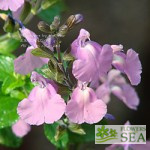
(Elk Smokey Grape Jame Sage) We think the dusky lavender flowers of Salvia x ‘Elk Smokey Grape’ look like the dusty, pale reddish-blue of Malbec grapes. This is a floriferous beauty.
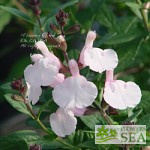
(Elk Pink Cloud Jame Sage II) Abounding with clusters of large, soft pink flowers on spreading branches, Salvia x ‘Elk Pink Cloud II’ looks like a fluffy, cumulonimbus cloud.
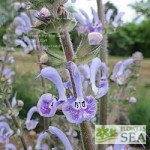
(Shangri-la Sage) Take a close look at Salvia moorcroftiana x indica ‘Shangri-la’ and you’ll notice that its lavender flowers have lighter lower lips with deep purple freckles.
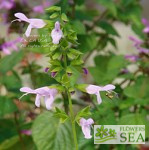
(COOL Pink Lace Anise Scented Sage) Cheerful Kelly-green bracts surround magenta buds that bloom into the soft pink yet magenta-tinged flowers of Salvia COOL Pink Lace. Its bright green leaves have a licorice-like fragrance.
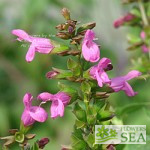
(COOL Wild Strawberry Anise Scented Sage) Prepare yourself for a heaping serving of large flowers the delicious color of strawberry ice cream when you plant Salvia COOL Wild Strawberry.
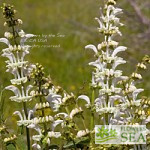
(Woolly White Sage) Salvia candidissima has tidy, upright stems covered with whorls of creamy white blossoms shaped like tiny parrot beaks. They rise from a mid-green rosette of leaves that become fuzzier and whiter as summer heat increases.
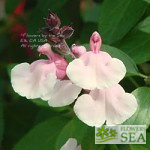
(Elk Crème Anglaise Jame Sage) Framed by minty green foliage, the blossoms of Salvia x ‘Elk Crème Anglaise’ transition from dreamy pale pink throats to white skirts. They look delectable.
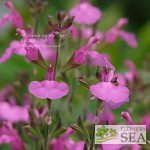
(Elk Xanadu Jame Sage) Like the magical, fictional land of Xanadu, there’s something heavenly about this sage. The flowers of Salvia x ‘Elk Xanadu’ look ethereal due to the bluish cast of their magenta-pink blossoms supported by deep magenta and green calyxes. It's a powerful attraction for pollinators, including hummingbirds.
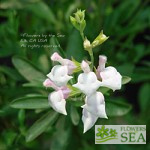
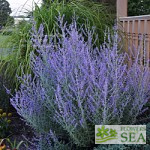
(Rocketman Russian Sage) A cloud of cool, lavender-blue flowers shoot upward from the fine-leafed, gray-green foliage of Salvia yangii ‘Rocketman’. This is a shorter, more upright form of Russian Sage, which was known botanically as Perovskia atriplicifolia until 2019 when the species was reclassified as a Salvia.
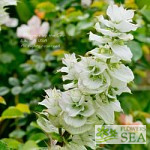
(Vatican White Clary Sage) Clary Sages are well known for their use in folk remedies, aromatherapy and cosmetics. Large white bracts frame the spectacular white blooms of this cultivar on 5-foot-tall spikes. It is a delight for honeybees and butterflies.
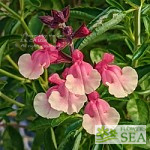
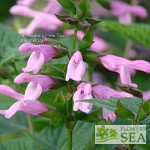
(COOL Shocking Pink Anise-Scented Sage) Dusky green bracts support the pastel magenta blossoms of Salvia COOL Shocking Pink. It’s a hummingbird favorite with bright green, fragrant foliage that may remind you of licorice.
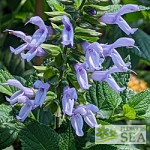
(COOL Periwinkle Anise-Scented Sage) Dusky green bracts cup the lavender-blue blossoms of Salvia COOL Periwinkle that attract hummingbirds. The fragrance of its bright green leaves may remind you of licorice.
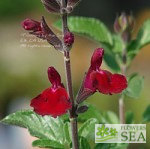

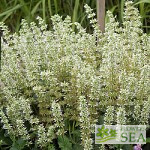
(White Lilac Sage) Dense whorls of white, instead of lavender, blossoms cover tall flower spikes of this long-blooming perennial that tolerates both heat and cold. They rise up from fragrant, mint-green foliage.
The following terms were added to your search to help improve the result. Click here to exclude these extra terms from the search.
- others
Results for other from the blog
| 1. Fall Planting: Tips for Salvia Success |
| For people and for plants, cool fall weather is comfortable for working in the garden. As gardeners dig, amend soil, weed and water, newly planted perennials focus their efforts on growing strong root systems before the chill of winter. Most perennial sages ( Salvia spp.) thrive if planted in fall. As temperatures decline, the soil remains warm. These conditions cause plants to decrease their growth above ground and focus on root expansion. Here are some tips about why and how you can succeed in the Salvia garden by planting during autumn. |
| Getting Started with Salvias |
| 2. Getting Started: What Are Salvias? |
| Salvias are a broad range of true sages in the mint family that grow worldwide. They include shrubs, perennials, annuals and subshrubs, which share both shrub and perennial characteristics. Flowers by the Sea, an online, mail-order Salvia nursery sells hundreds of Salvias. |
| Shade Gardening |
| 3. Made for Shade: Japanese Woodland Salvias |
| Sturdy, shade-loving Japanese Salvias are lovely additions to woodland gardens with their lush, large-leafed foliage and delicate-looking flowers in colors including pinks, purples and yellows. They're ideal for bordering shady paths where they invite visitors to pause for close-up views. Flowers by the Sea suggests Japanese species for woodland gardens and organizes them according to their cold hardiness. |
| Cultivating Color |
| 4. Pantone Pageant Cheerful Lemon Zest and Nectarine Designer Salvias |
| Let there be light; let there be brightness. Yellows and oranges are cheerful colors to combine in a grouping of perennials. Pantone's spring 2013 designer colors -- golden yellow Lemon Zest 13-0756 and its hot orange Nectarine 16-1360 -- are fun colors to match to sages ( Salvia spp.) that can turn up the light in a garden whether sunny or shady. Two groupings for sunny or shady gardens are offered |
| 5. Plant Safari Salvia in the South African Fynbos -- Part 2 |
| Flowers by the Sea is a home away from home for a number of South African Salvias that enjoy our moderate, Mediterranean climate. None are endangered species, but all face the threat of land development in the Western Cape's Fynbos Biome -- unparalleled for its variety of medicinal and ornamental native plants found nowhere else in the world. Preservationists are working to balance changes in land use and to maintain biodiversity in the CFR. Brutal poaching of rhinoceroses is one of the toughest problems they face. |
| Quick Digs |
| 6. Quick Digs: Salvia Groundcovers Suppress Weeds |
| Quick Digs is a serial containing short posts focused on a central issue about Salvia gardening. The topic for the first series is Salvia groundcovers for weed control, and this is the first article. Great groundcovers help conserve soil moisture and leave little room for weeds to grow. This is true of many colorful, fragrant Salvias that spread freely. However, it may be that the essential oils creating the pleasant aromas of many Salvias are also helpful in suppressing weeds. Many researchers refer to this apparent trait as the “Salvia phenomenon.” |
| Sage Experts |
| 7. Sage Experts: How Robin Middleton's Gardens Bloomed |
| Sage Experts focuses on Salvia specialists -- both amateurs and professionals -- in settings ranging from home gardens to university laboratories. This article concerns Robin Middleton of Surrey, England, and his popular Robins Salvias website. The longtime horticulturist grows more than 100 Salvia species and cultivars in his garden and greenhouses. |
| 8. Sage Experts: Meet Huntington Gardens Curator Kathy Musial |
| The Sage Experts series focuses on Salvia specialists — both amateurs and professionals -- in settings ranging from botanic gardens to universities. Kathy Musial, curator of live collections at Southern California's Huntington Gardens, is the subject of this profile. If you imagine a great dinner party involving lots of garden talk, Kathy Musial would be an ideal guest who could share her experiences plant trekking in Australia and Chile or co-managing some 14,000 varieties of plants at Huntington. |
| Salvias Down South |
| 9. Salvias Down South: Tough Texans that Look Hot |
| A little bit of a hot color warms the garden landscape; a lot sizzles. Salvias that are red, orange, salmon and intensely pink make eyes snap to attention when grown en masse or as highlights complementing cool-colored perennials. Texas is home to a number of tough, drought-resistant species that can make a garden look hot. In this article, Flowers by the Sea focuses on varieties to light up southern landscapes. |
| Bees in the Garden |
| 10. The Not-So-Secret Lives of Honeybees |
| It's no secret that Honeybees are American immigrants. Yet along with native bees, they descended from meat-eating wasps. All bees make food and flowers possible through pollination. This is the first article in a four-part Bees in the Garden series in the Everything Salvias blog of Flowers by the Sea. The series focuses on identifying and understanding bees, becoming aware of threats to their survival and noting ways gardeners can protect these tiny wildlife. |
| 11. The Power of Scent |
| While it's true that not all Salvias smell, well, pleasant, many varieties are grown specifically for the aromatic or even sweet aromas that they release into the air. These ten Salvias are our top picks for the best-smelling varieties in the garden. |
| Cultivating Color |
| 12. Cultivating Color: Tracking the Elusive History of Autumn & Mountain Sage Warm Pastel Hybrids -- Part II |
| Luminous Salvia x jamensis pastel flowers began warming up nursery catalogs in the late 1990s. Their journey from steep Mexican mountains to American and European gardens began in the mid-19th century with the discovery of Autumn Sage (Salvia greggii). This is the second post in a two-part article about these Jame Sage hybrids of Autumn and Mountain Sage (S. microphylla). It includes descriptions of ten favorite Jame Sages. |
Common terms in this search: elk smokey grape jame sage think dusky lavender flowers 'elk grape' look like dusty pale reddish-blue malbec grapes floriferous beauty has leaves larger than typical short subshrub perennial that's also bit woody fragrant foliage it's long blooming hybrid product fbts plant development program most other sages heat-tolerant sun lover appreciates partial shade during severe heat despite being drought tolerant thrives