
Advanced Search
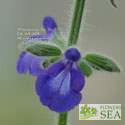
(Double Saw Tooth Sage) Vivid deep violet flowers bloom from summer into fall and contrast prettily with the bright green, rumply foliage of this tall sage from southeastern Mexico. Belgian botanist and orchid lover Jean Jules Linden was the first to record its discovery in 1838, according to records on file at Britain’s Royal Botanic Gardens, Kew.
Results for file from the blog
| Sage Words About Wildlife |
| 1. Sage Words About Wildlife: Climate Change Alters Hummingbird Migration |
| Nature doesn't come to a sudden, overall halt, when the timing of its ecosystems slip, including ones involving hummingbirds. Instead, change occurs gradually. Plants and the animals that pollinate them have coevolved to meet each other's needs. You can help by planting hummingbird habitat in your home garden. Learn more in the Everything Salvias Blog at FBTS Online Nursery. |
| Salvia Small Talk |
| 2. Salvia Small Talk: Slugs & Snails |
| Cleaning up leaf litter, weeds and mulch around Salvias can greatly reduce snail and slug attacks. |
| Ask Mr. Sage |
| 3. Ask Mr. Sage: First-Aid for Salvia Frost Damage |
| Harsh winter weather in areas that normally have mild conditions can bring unwelcome surprises, including the death of favorite plants. This article talks about how and when to remediate frost damage to favorite Salvias in warmer USDA Cold Hardiness Zones. It concludes with a sidebar about a harmful cold snap in California's Bay Area that killed plants as well as birds in 1972 and which changed planting choices at the University of California Botanical Garden at Berkeley. Ask Mr. Sage is a regular feature that is based on topics raised in calls and emails we receive at Flowers by the Sea. |
| Hummingbirds in the Garden |
| 4. 6 Indispensable Hummingbird Flowers for Long, Easy Bloom |
| Hummingbirds are like tiny combat jets dive bombing each other when staking claim to the nectar-rich flowers they need for survival. Fights over nectar habitat can reduce hummingbird gardens to single occupancy. FBTS Farm and Online Nursery details and tells stories about its top six hummingbird flowers. Plant lots of them to accommodate a village of hungry hummers. |
| Ask Mr. Sage |
| 5. Ask Mr. Sage: Where Can You Grow Agastache? |
| Hummingbirds love Agastache. Mr. Sage explains that just because one kind of Agastache is wrong for your climate, it doesn't mean they all are and that the genus is native to most of the United States. Ask Mr. Sage is a regular feature in our Everything Salvias Blog that answers customer questions. |
| 6. Ask Mr. Sage: What Kinds of Salvias Are Edible? |
| Ask Mr. Sage answers questions based on calls and emails that Flowers by the Sea receives. This post concerns Salvias that are edible and tasty. Although we are unaware of any Salvia species (true sages) that contain poisonous parts, we are cautious about which ones to recommend for culinary use. A link to our culinary species is included along with links to our blog posts about cooking with sages. |
| 7. Ask Mr. Sage: When Is It Too Late for Autumn Planting? |
| Learn how to determine the best start and stop times for fall planting. Ask Mr. Sage is a Q&A feature based on topics raised in calls and emails to Flowers by the Sea. This post concerns fall planting and provides tools for making decisions based on local frost dates and temperatures. |
| Book Reviews |
| 8. Book Review: The New Sunset Western Garden Book |
| On a day when it's too cold or hot to be outside, a gardening guide, such as The New Sunset Western Garden Book , is a useful and entertaining companion. At 768 pages long, it isn't lightweight reading. Be prepared to prop the book up on pillows in your lap as you page through it while kicking back on the couch. |
| Cultivating Color |
| 9. Cultivating Color: New FBTS Tools Aid Garden Design |
| Have we got tools for you! No, we aren't selling Ginzu clippers, rust-free shovels, a miraculous compost-in-minutes machine or anything requiring payments. We're talking about a set of color tools for accurately visualizing and comparing the floral and foliage colors of Salvias. As you wander through the riot of hues in our online catalog at Flowers by the Sea, these tools aid plant selection and landscape planning. Beginning in fall 2014, we began identifying the colors of all FBTS plants based on the internationally standardized color system published by the U.K.'s Royal Horticultural Society. This improves descriptions of plant colors and makes color comparisons of plants easier for garden design. |
| Getting Started with Salvias |
| 10. Getting Started: Salvias for the Southwest |
| Ask anyone to describe the American Southwest, and they're likely to sum it up in three letters : "D-R-Y." Yet precipitation can vary a lot here state by state and even within different parts of the individual states. One thing that is consistent about the story of water throughout the Southwest, is that rain and snow can rapidly swing from famine to feast to misfortune. |
| Butterflies in the Garden |
| 11. Growing Habitat: Three Tough Milkweeds to Help Monarchs |
| Flowers by the Sea Farm and Online Plant Nursery is serious about wildlife gardening and grows a number of milkweed species considered among the best for supporting Monarch butterflies. Three of the nursery's toughest, loveliest milkweeds are Indian Milkweed (Asclepias eriocarpa), Showy Milkweed (Asclepias speciosa) and Common Milkweed (Asclepias syriaca). Read about the history of milkweeds and the reasons why Monarch butterflies are threatened due to a shortage of these tough yet lovely plants caused by herbicides. Learn how herbicides and pesticides harm Monarchs and other milkweed-loving pollinators. |
| Sacred Sages |
| 12. A Guide to Growing and Respecting Sacred White Sage |
| White Sage (Salvia apiana) is a sacred plant for Native Americans, especially tribes in its Southern California native lands. It's a challenging plant to grow. Flowers by the Sea Farm and Nursery talks about the history and religious use of Salvia apiana as well as providing a guide to growing it. |
Common terms in this search: vivid deep violet flowers bloom from summer into fall contrast prettily bright green rumply foliage tall sage southeastern mexico belgian botanist orchid lover jean-jules linden first record its discovery according records file britains royal botanic gardens kew shares credit two peers who also were researching botanical treasures botanists henri guillaume galeotti france martin martens belgium website mexconnect notes part scientific