
Advanced Search
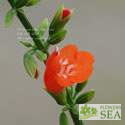
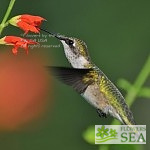
(Giant Brazilian Sage) Yes, this one is gigantic. The first season we grew this heat-tolerant sage, it reached 8 feet tall by July! Masses of small, red-orange, trumpet-shaped flowers attract hummingbirds and honeybees to long, upward curving flower spikes towering over heart-shaped foliage.
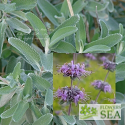
(Spreading California Purple Sage or Spreading California Gray Sage) Songbirds love this California native as do honeybees and hummingbirds. This Salvia leucophylla clone was collected in 1982 by Dr. Dale Smith of University of California Santa Barbara (UCSB #82152) at Point Sal near Santa Barbara.
Results for grand from the blog
| Cultivating Color |
| 1. Bedding Plant Royalty: Splendid Salvia Splendens |
| If the world were to coronate a Salvia as its favorite annual, there's little doubt that a deep red variety of Scarlet Sage ( Salvia splendens ) would bear the sceptre. It's a long blooming, global favorite sometimes called Bedding Sage or Red Sage. When it was first introduced to horticulture in 1822, it was known as Lee's Scarlet Sage. Flowers by the Sea Online Nursery explains the growth habits and history of Scarlet Sage and suggests numerous favorite cultivars to add grandeur to your garden. |
| Xeric Choices |
| 2. Colorful Salvias Break Myth of Dry Garden Drabness |
| Dry gardens are flowerbeds or entire landscapes based on ornamental perennials that require little to no watering once well rooted. Many Salvias are excellent, drought-resistant choices for these gardens. Flowers by the Sea Farm and Online Nursery talks about dry garden myths as well as low-water plants. |
| Getting Started with Salvias |
| 3. Getting Started: Salvias for the Southwest |
| Ask anyone to describe the American Southwest, and they're likely to sum it up in three letters : "D-R-Y." Yet precipitation can vary a lot here state by state and even within different parts of the individual states. One thing that is consistent about the story of water throughout the Southwest, is that rain and snow can rapidly swing from famine to feast to misfortune. |
| Sage Experts |
| 4. Sage Experts: Meet Huntington Gardens Curator Kathy Musial |
| The Sage Experts series focuses on Salvia specialists — both amateurs and professionals -- in settings ranging from botanic gardens to universities. Kathy Musial, curator of live collections at Southern California's Huntington Gardens, is the subject of this profile. If you imagine a great dinner party involving lots of garden talk, Kathy Musial would be an ideal guest who could share her experiences plant trekking in Australia and Chile or co-managing some 14,000 varieties of plants at Huntington. |
| 5. Sage Experts: Richard & Bracey Tiede Nurture Salvias & Community |
| Love of gardening is partly about love of nurturance. Some gardeners nurture far more than their home landscapes; that's the case with Silicon Valley retirees Richard and Bracey Tiede. Through avid volunteerism in organizations such as the Master Gardeners of Santa Clara County, Western Horticultural Society and Pacific Horticulture Society, they are helping to popularize drought-tolerant Salvias and shape sustainable gardening practices in the West -- a part of the country constantly facing drought. |
| 6. The Power of Scent |
| While it's true that not all Salvias smell, well, pleasant, many varieties are grown specifically for the aromatic or even sweet aromas that they release into the air. These ten Salvias are our top picks for the best-smelling varieties in the garden. |
| Sage Words About Wildlife |
| 7. Sage Words About Wildlife: Climate Change Alters Hummingbird Migration |
| Nature doesn't come to a sudden, overall halt, when the timing of its ecosystems slip, including ones involving hummingbirds. Instead, change occurs gradually. Plants and the animals that pollinate them have coevolved to meet each other's needs. You can help by planting hummingbird habitat in your home garden. Learn more in the Everything Salvias Blog at FBTS Online Nursery. |
| Getting Started with Salvias |
| 8. Getting Started: Salvias for New England |
| Some people think you only find sage and coyotes out West. But Canis latrans, the Eastern Coyote, slipped into New England in the 1930s, and who knows when all the sages arrived? The New England Wild Flower Society notes that Lyreleaf Sage ( Salvia lyrata ) is the region's only native sage. It's one among many Salvia species grown in the Botanic Garden of Smith College in Massachusetts, which has one of the largest collections of sage in the region. Flowers by the Sea Online Plant Nursery raises hundreds of sages, including many northeastern favorites. |
| New at FBTS |
| 9. New at FBTS: Butterflies Love Perennial Echeandia Texensis |
| It isn't surprising that the golden flowers of the drought-resistant, perennial Texas Craglily (Echeandia texensis) are tops for attracting butterflies. The plant was first discovered on Green Island in Laguna Madre, which is at the southernmost tip of Texas. The area is part of the Lower Rio Grande Valley, which is home to 300 butterfly species. Texas Craglily is an adaptable plant that grows well both in dry and somewhat damp conditions and from California to the Southeast. But it is a rare species that may be threatened by land development and the U.S./Mexico border fence. |
| Portraits in Gardening |
| 10. Portraits in Gardening: Ward Dasey |
| Portraits in Gardening is a blog series from Flowers by the Sea that profiles customers who are passionate about the Salvia genus. This article focuses on wildlife gardener, birder and dedicated volunteer Ward W. Dasey III, who grows Salvias at New Jersey's Palmyra Cove Nature Park. Dasey and nature-loving friends proposed the park to make bird watching easier on the Delaware River. |
| Sacred Sages |
| 11. Sacred Sage: The Tongva Tribe & Coastal Sages |
| Less than 250 years ago, Black Sage and White Sage also helped feed and heal the Tongvas and other Southern California native peoples. Here is their story. |
| Sage Experts |
| 12. Sage Experts: Meet Professor Rolando Uria of Argentina |
| Sage Experts is a new feature on our Everything Salvias blog. It focuses on horticulturalists -- both amateurs and professionals -- in settings ranging from botanic gardens to universities. All have expertise in cultivating plants in the Salvia genus. This first profile talks about Argentina's Rolando Uria, an agronomy professor at the University of Buenos Aires and a presenter at the 2013 Salvia Summit II. Uria is well known for discovering Salvia 'Amistad'. |
Common terms in this search: giant brazilian sage yes one gigantic first season grew heat-tolerant reached feet tall july masses small red-orange trumpet-shaped flowers attract hummingbirds honeybees long upward curving flower spikes towering over heart-shaped foliage difficult beat attracting pollinators its similar those tropical coccinea which like dwarf compared grand plant from mid-spring until frost loves rich well-drained soil although average watering all necessary can