
Advanced Search
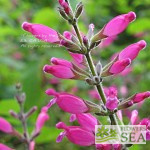
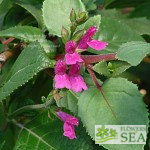
(Roseleaf Sage) A glorious bloomer, Roseleaf Sage starts producing hot pink blossoms in late summer and continues into spring -- growing more spectacular every day -- unless cut down to the ground by hard frost.

(Hidalgo Roseleaf Sage) The earliest flowering, hardiest and strongest growing cultivar of its species, Hidalgo Roseleaf Sage starts blooming in June on the Northern California coast. It continues, and becomes more spectacular every day, until cut down by hard frost. In our mild climate, it never stops blooming some years.
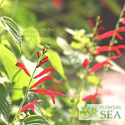
(Honey Melon Pineapple Sage) This is a short Pineapple Sage that is long blooming. It is the earliest and longest flowering of all the many varieties of Salvia elegans. We recommend it for indoor herb gardening as well as for outdoor borders and groundcovers.
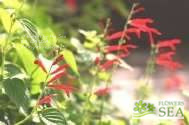
(Tangerine Pineapple Sage) This citrus-scented cultivar is our smallest variety of Pineapple Sage. Worth growing just for the exotic scent of its leaves, this culinary sage is also one of the longest blooming plants in its species.
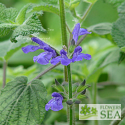
(Blue Bush Sage) Furry, large and heavily textured, the mid-green leaves of Salvia urica contrast attractively with its violet-blue flowers that bloom spring into summer.
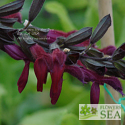
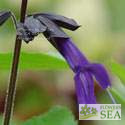
(Friendship Sage) Thank you Rolando Uria of the University of Buenos Aries for this very fine plant. Discovered in 2005 at a plant show in Argentina, this truly unique hybrid sage has generated a great deal of excitement in the Salvia world.
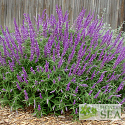
(Santa Barbara Mexican Bush Sage) This compact Mexican Bush Sage was found in the Santa Barbara garden of Kathiann Brown. It is, without a doubt, the finest short Mexican Bush Sage -- hardy, tough and long blooming. Add drought tolerance and dark, rich purple flowers to its list of merits.
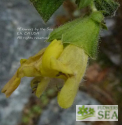
(Campanula Leaf Sage) The deep yellow flowers of Campanulata Leaf Sages are scarce among Salvias. Salvia campanulata CC#7706 is a sunny Himalayan beauty.
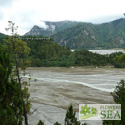
(Campanula Leaf Sage) The deep yellow flowers of Campanula Leaf Sages are scarce among Salvias. If British plant explorer Chris Chadwell is correct, what he has identified as Salvia aff. campanulata 'CC#7713' should be a sunny Himalayan beauty.
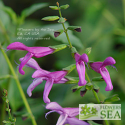
(Jean's Jewel Sage) An entirely new color in the Salvia guaranitica group, this chance hybrid with violet-pink blossoms was discovered by Kathleen Navarez at Cabrillo College in Aptos, California. It is compact, freely flowering and spreads gently via rhizomes.
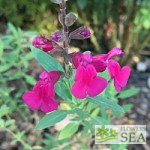
(Windwalker® Desert Rose Sage) Hot pink flowers top glossy, mid-green foliage top Windwalker® Desert Rose Salvia. Due to drought resistance, Salvia x 'Desert Rose' is a great choice for dry gardens. However, this petite beauty also grows well with moderate watering.
The following terms were added to your search to help improve the result. Click here to exclude these extra terms from the search.
- started, starter, starts
Results for start from the blog
| Ask Mr. Sage |
| 1. Ask Mr. Sage: How Should I Space Salvias When Planting |
| By spacing Salvias properly when planting, you avoid problems caused either by overcrowding or leaving too much space around individual plants. Most Salvias are healthier with good air circulation. Crowding leads to the spread of fungal diseases and pests, such as spider mites. Too wide of spacing may cause branches to break in high winds. By paying attention to plant measurements before planting, you can create a good spacing plan. Ask Mr. Sage is a Q&A feature based on topics raised in calls and emails to FBTS. |
| New at FBTS |
| 2. Grow a Riot of Color with New Salvia Cottage Garden Collections |
| Cottage gardens make humble homes look spectacular with their densely packed color and foliage. FBTS Cottage Garden Collections are designed to brighten your yard with a riot of Salvias and companion plants. |
| 3. New Product Filtering Tool Helps You with Decision Making |
| Flowers by the Sea now offers a powerful, do-it-yourself, product-filtering tool that makes plant selection easier and faster. It sets up a matrix of choices to help customers sort possible selections for their gardens based on USDA cold hardiness zones, sun exposure, mature height and spread of plants, soil type and water needs. This article explains how the tool works and provides examples of how to use it. |
| Container Gardening |
| 4. A Guide to Successful Potting Soils for Salvias |
| One of the decisions that Salvia gardeners face in spring is what kind of potting mix to use for outdoor container plants. Find answers in FBTS Farm & Online Nursery's guide to successful potting soils for Salvias. |
| Ask Mr. Sage |
| 5. Ask Mr. Sage: Can I Plant Salvias in Summer? |
| Watch out for sayings that warn against planting in summer. It's a good time to transplant Salvias if you give them some extra care. Ask Mr. Sage is a regular feature of Our Everything Salvias Blog and is based on customer questions. |
| 6. Ask Mr. Sage: Best Time to Plant Drought Resistant CA Natives |
| Drought resistant California native sages thrive when planted in fall. It's easier for roots to become established when soil is warm, air temperatures are cooler and precipitation is increasing. Ask Mr. Sage is a regular feature of the Everything Salvias Blog and is based on calls and emails from customers. |
| 7. Ask Mr. Sage: What Sages Grow in Clay Soils? |
| Ask Mr. Sage answers questions based on calls and emails that Flowers by the Sea receives, such as concerns about what Salvias will grow in clay soils. This article talks about specific plants for dry and wet clay conditions, how to improve soil drainage and planting on slopes in wet areas. |
| Container Gardening |
| 8. Container Gardening Basics: Selecting and Arranging Pots |
| Assembling a new planter with fresh potting soil and young plants is a feel-good activity similar to moving into a new home. Each pot and property is full of promise. Placing a single plant or a grouping in the right size of pot is like selecting a starter home for it that will encourage healthy growth. The type of material a pot is made from also affects development. Flowers by the Sea Online Salvia Nursery explains how to choose correct pot sizes as well as pot styles, sizes, colors and arrangements. Don't miss The Flowerpot Men music video! |
| 9. Fall Planting is Superior for Salvias |
| Fall is the best time to plant many Salvias. Read on to find out why . . . This picture, "Autumn", was painted by Giuseppe Arcimboldo in 1573. |
| Getting Started with Salvias |
| 10. Getting Started: Salvias for Zone 9 |
| California's small, Mohave Desert city of Barstow averages about 5 inches of rain annually. Across the continent, Pensacola, Florida, has more than double Barstow's population and more than 12 times its amount of rainfall. Yet both cities are part of the U.S. Department of Agriculture's Plant Hardiness Zone 9 where you can plant perennials and shrubs that survive winter lows ranging from 20 to 30 degrees F. Flowers by the Sea takes readers on a triple coast road trip of Zone 9 and suggests plantings for varied growing conditions along the way. |
| 11. Getting Started: USDA Plant Hardiness Zones |
| USDA Plant Hardiness Zones aid in selecting Salvia perennials and shrubs that save gardeners money by re-emerging each spring to bloom again. Flowers by the Sea, an online, mail-order nursery specializing in Salvias can help you select the best ones for your USDA zone. |
| 12. Getting Started: What Is Drought and Xeriscaping |
| Drought is a shortage of precipitation over a season or more as in California where four years of drastic declines in rainfall and snowpack have created severe watering cutbacks. Drought is also defined by what and whom it affects from agriculture to homeowners. Flowers by the Sea Farm and Online Nursery explains drought and xeriscape, a water-conserving form of landscaping that is effective for gardening during drought and in dry climates. This article is part of the FBTS Getting Started series for gardeners becoming acquainted with Salvias (true sages). It includes a brief list of drought-resistant sages. |
Common terms in this search: roseleaf sage glorious bloomer starts producing hot pink blossoms late summer continues into spring growing more spectacular every day unless cut down ground hard frost hottest climates requires bit shade appreciates rich soil regular watering largest variety species cultivate feet tall wide makes fine screen background planting such back borders use where want bold strong statement like pair mexicana varieties